
The coffee bags, nut bags, potato chip bags, and snack bags we see every day may look like simple packages, but in reality, a high-quality flexible food package undergoes multiple production stages.
From material selection to printing, lamination, and curing, followed by bag making and quality inspection, every step influences the final bag's appearance and performance.
Step 1: Determining Packaging Materials
The first step in food packaging production is determining the material structure based on product requirements.
Different foods require different packaging properties.
For instance, coffee may require superior moisture resistance, oxygen barrier properties, and light protection; potato chips prioritize moisture resistance; while nuts may require protection against oxygen and oil oxidation.
Therefore, packaging manufacturers must select materials—such as PET, BOPP, PE, VMPET, or aluminum foil—based on the product's characteristics and design an appropriate laminated structure.
Step 2: Film Printing
Once the materials are determined, printing can begin.
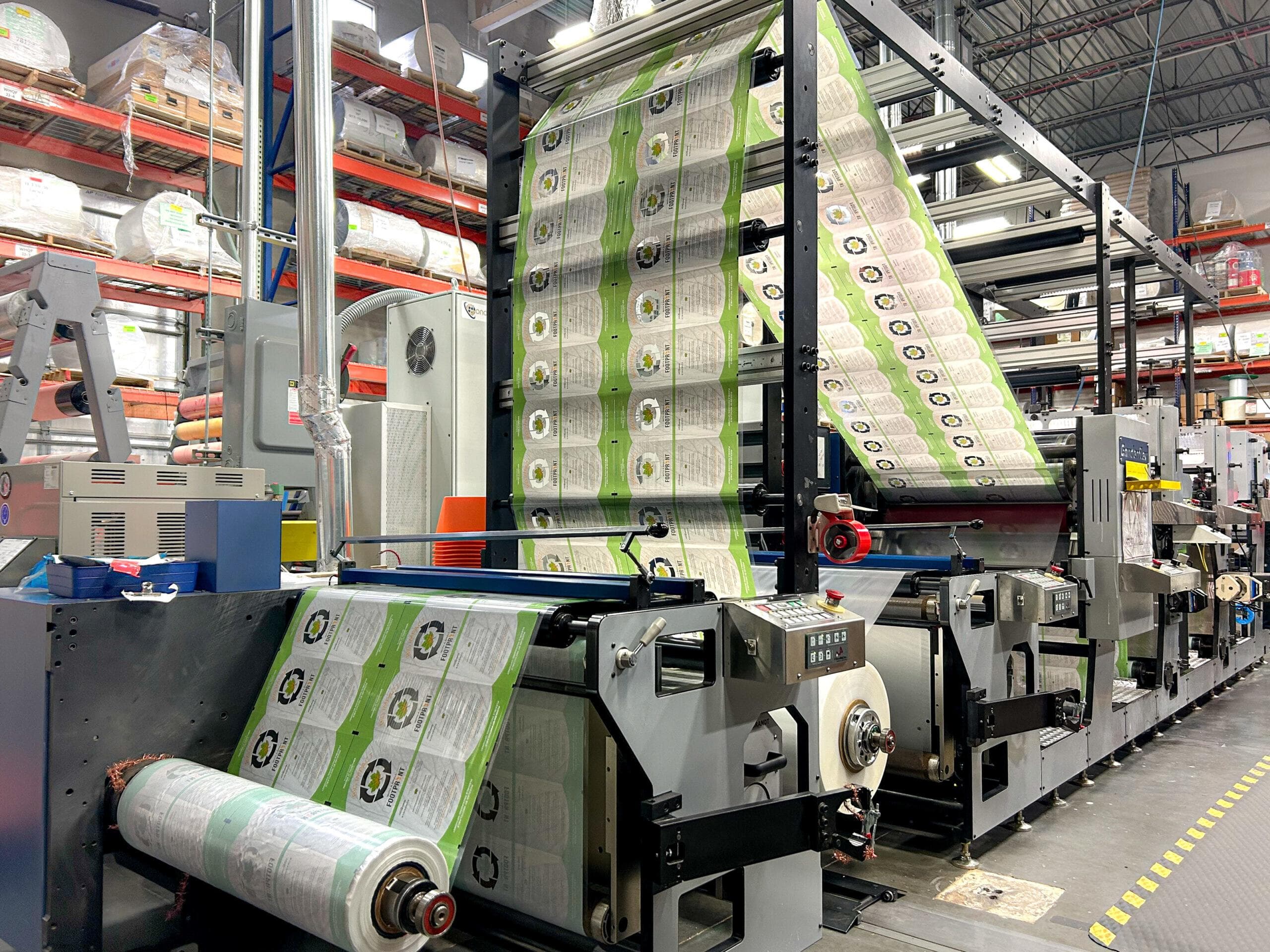
Food packaging typically needs to display the brand name, product information, nutritional facts, and usage instructions, making print quality crucial.
Common printing methods for flexible packaging include rotogravure printing and digital printing.
For large orders, rotogravure printing is generally suitable for mass production; for small batches, multiple designs, or rapid prototyping, digital printing offers a more flexible option.
Step 3: Material Lamination
After printing, if the packaging utilizes a multi-layer structure, a lamination process is required.
Simply put, this involves bonding different films together.
For example, PET can provide the printable outer layer and mechanical strength; VMPET offers barrier and light-blocking properties; and PE serves as the inner heat-sealing layer.
The laminated material requires a curing period to ensure a stable bond forms between the different layers.
Step 4: Slitting
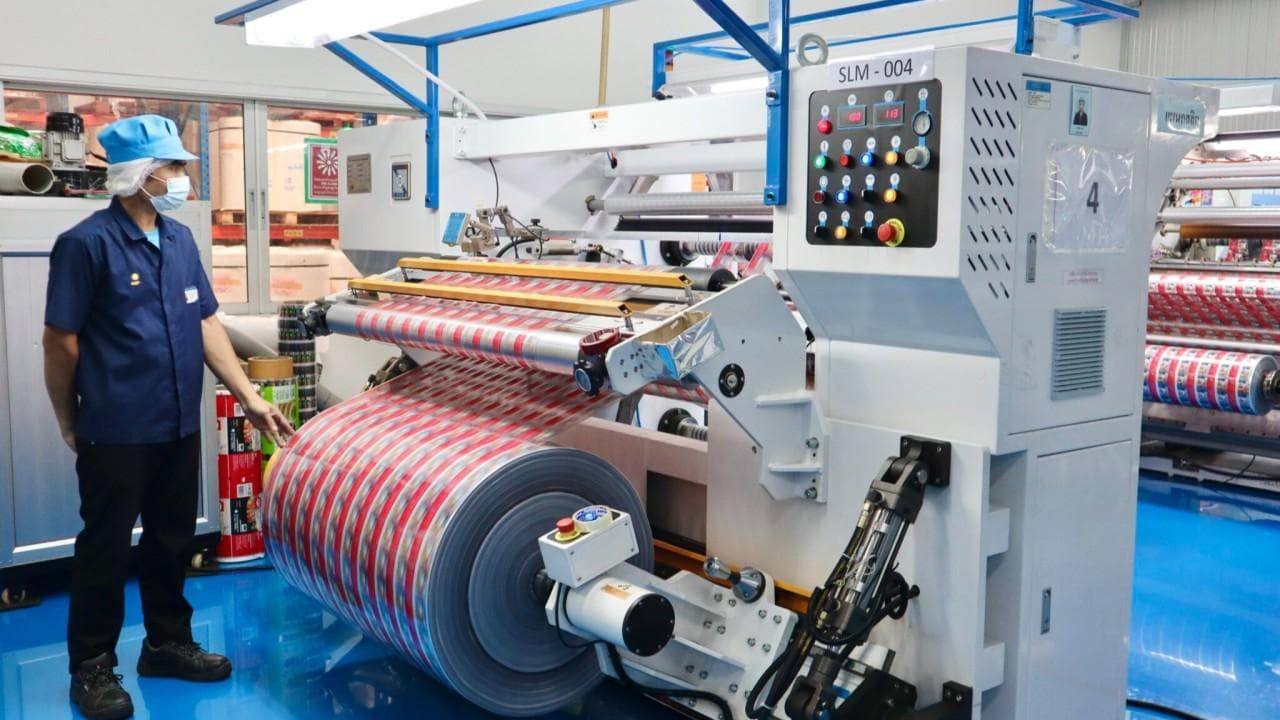
Once lamination is complete, the material is slit according to production specifications.
Large master rolls of material must be cut into sizes suitable for the subsequent bag-making equipment.
During the slitting process, the material width and roll quality must be carefully controlled; inaccurate dimensions could compromise the subsequent bag-making process.
Step 5: Bag Making
Once slitting is complete, the material moves to the bag-making stage.
Depending on the bag style selected by the client, various types of food packaging bags can be produced, including three-side seal bags, stand-up pouches, side-gusset bags, flat-bottom bags, spouted pouches, and bags with other specialized structures.
During the bag-making process, parameters such as seal integrity, dimensions, and the final bag shape must be carefully controlled.
Additional processing steps are required for packaging features such as zippers, degassing valves, or spouts.
Step 6: Quality Inspection
After the bags are manufactured, they undergo quality inspection.
Inspections may cover dimensions, print quality, seal integrity, visual appearance, bag structure, and functional performance.
Seal integrity is particularly critical for food packaging.
If seal strength is insufficient, issues such as air leaks or bag ruptures may occur during filling, transportation, or storage.
Why is the production process important?
The ultimate performance of a packaging bag is not determined solely by the materials used.
Even with the right materials, problems arising during printing, lamination, bag making, or sealing can compromise the quality of the final product.
Therefore, food packaging requires comprehensive control across every stage, from raw materials to the finished product.
Conclusion
While food-grade flexible packaging bags may appear simple, their production involves multiple stages—from material selection to the finished product.
An optimal material structure, a stable lamination process, precise bag dimensions, and rigorous quality inspections are all essential factors in producing high-quality food packaging.
FULL PACKING offers comprehensive flexible packaging solutions—ranging from material structure design to the finished bag—tailored to the client's specific food type, bag style, dimensions, and packaging requirements.