
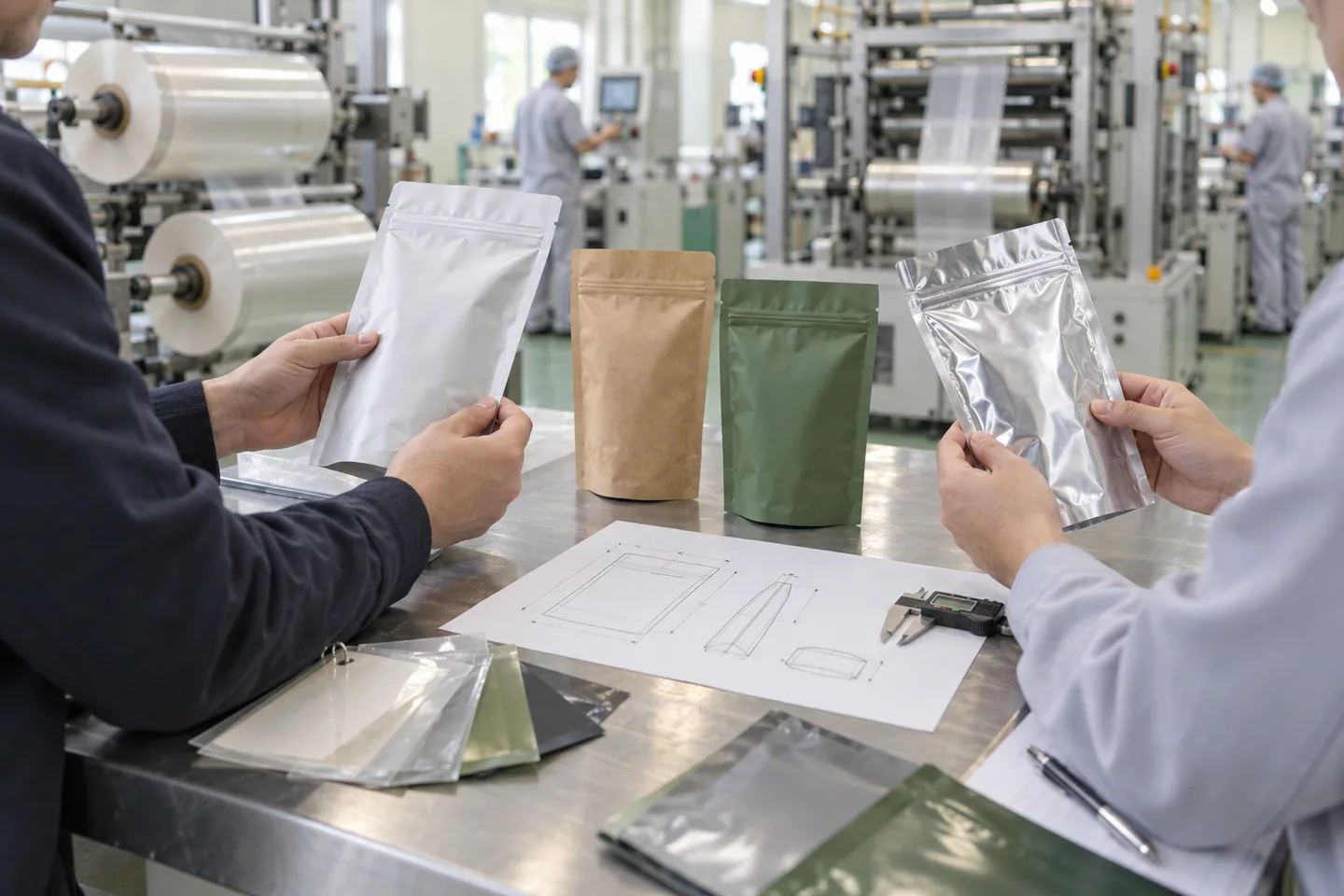
How to Choose a Flexible Packaging Manufacturer: A Buyer’s Factory-Audit Checklist
A practical buyer checklist for comparing supplier capability, specifications, samples, quality evidence, communication and shipment preparation.
Start with the decision closest to your current project, then follow the related product, application and customization links inside each guide.
A practical buyer checklist for comparing supplier capability, specifications, samples, quality evidence, communication and shipment preparation.
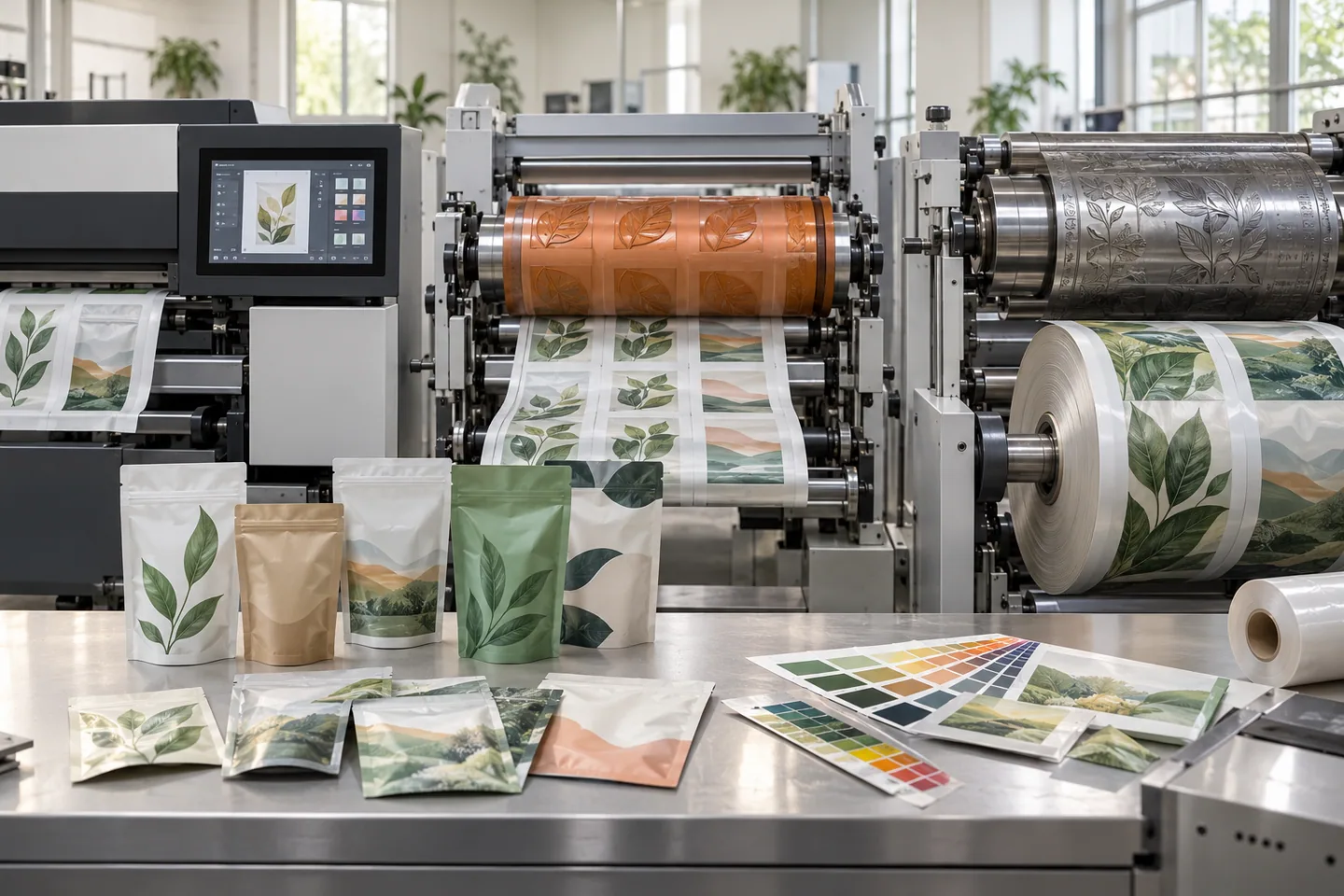
Compare three pouch-printing routes by volume, SKU count, setup, artwork, color control and repeat-order requirements.
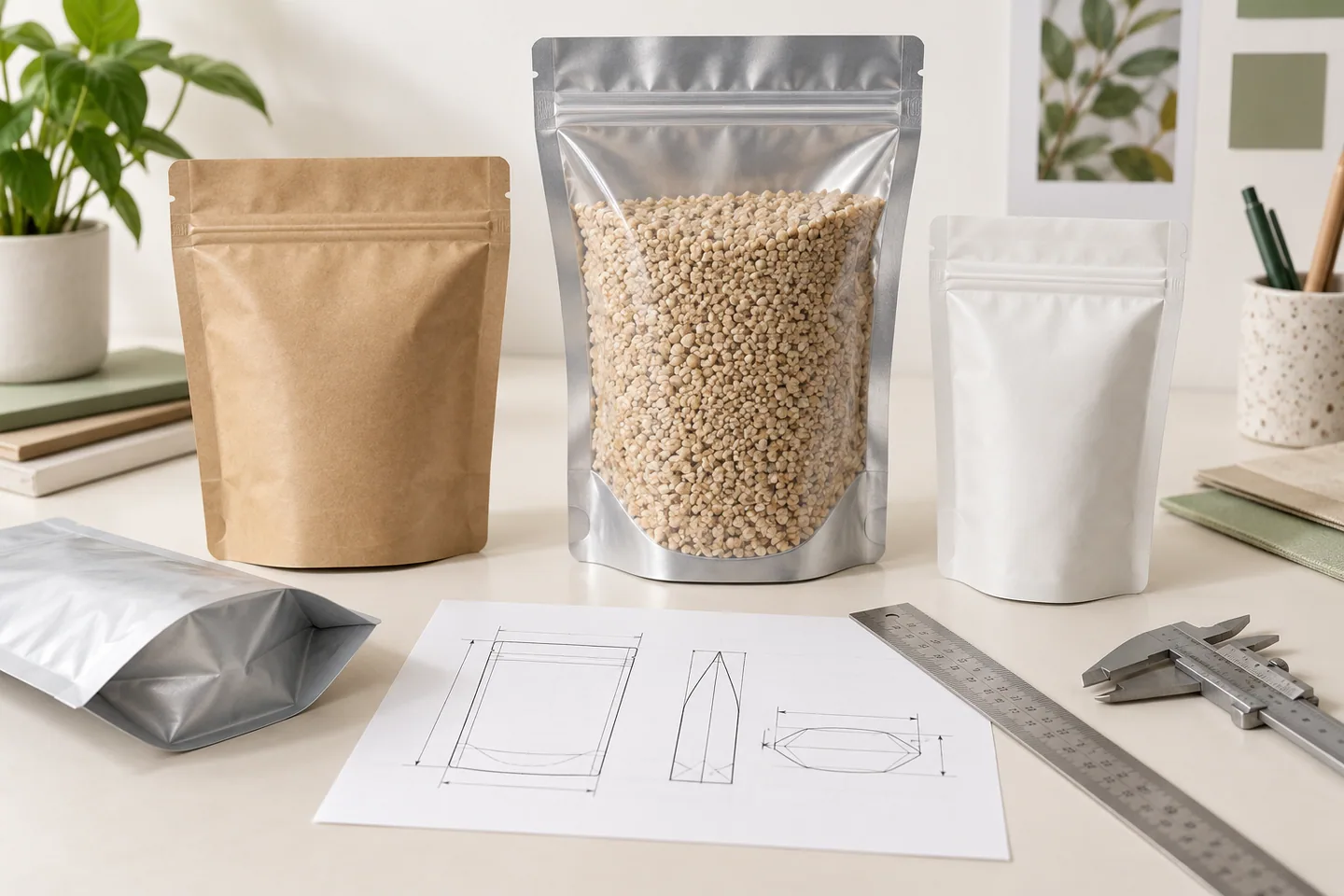
Use product density, fill weight, headspace, gusset geometry, closures and fill trials to develop practical stand-up pouch dimensions.
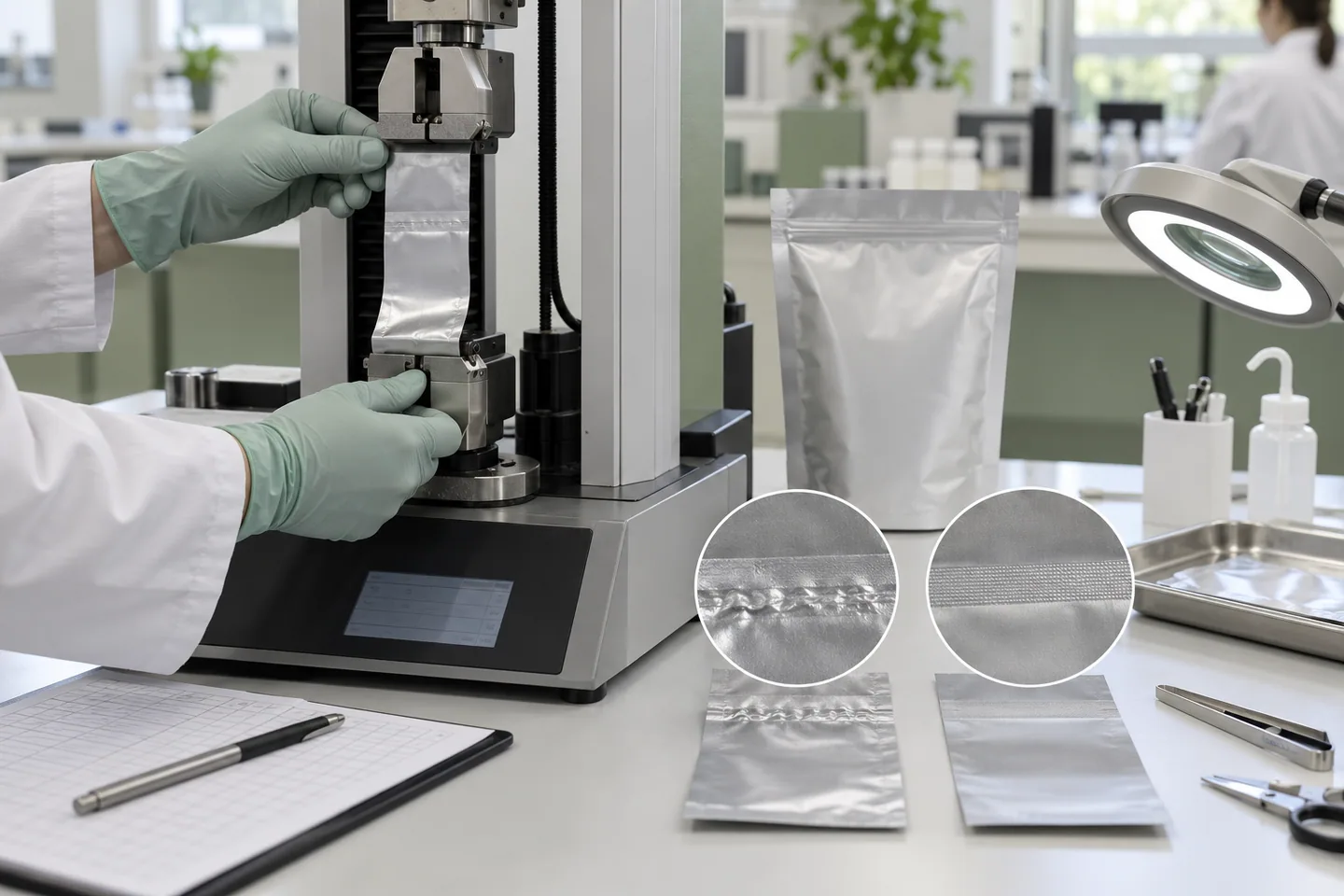
Trace pouch leaks and weak seals back to materials, contamination, sealing conditions, wrinkles, handling and the finished-package test method.
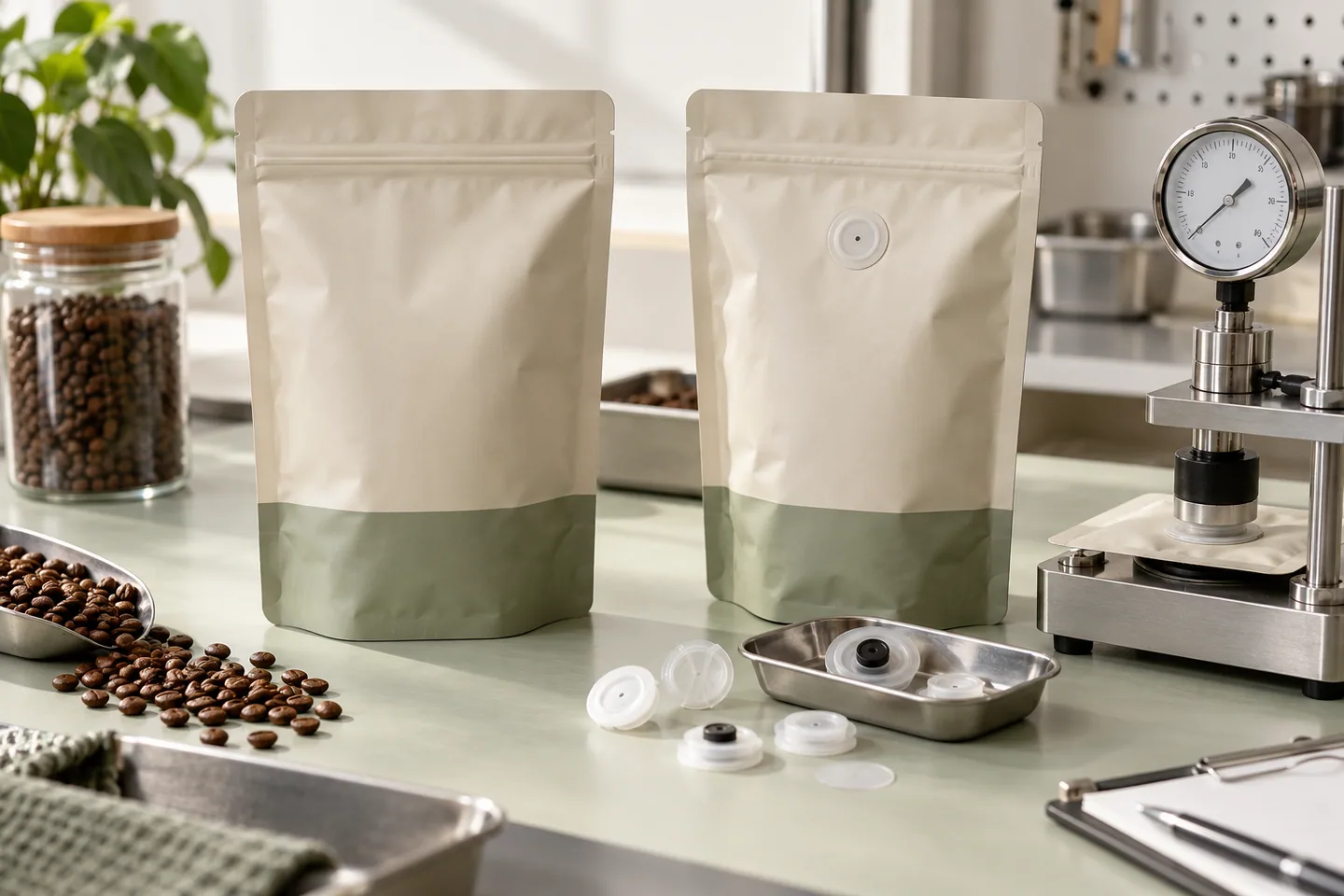
Plan a one-way coffee valve around roast timing, product format, placement, barrier, sealing and representative filled-bag testing.
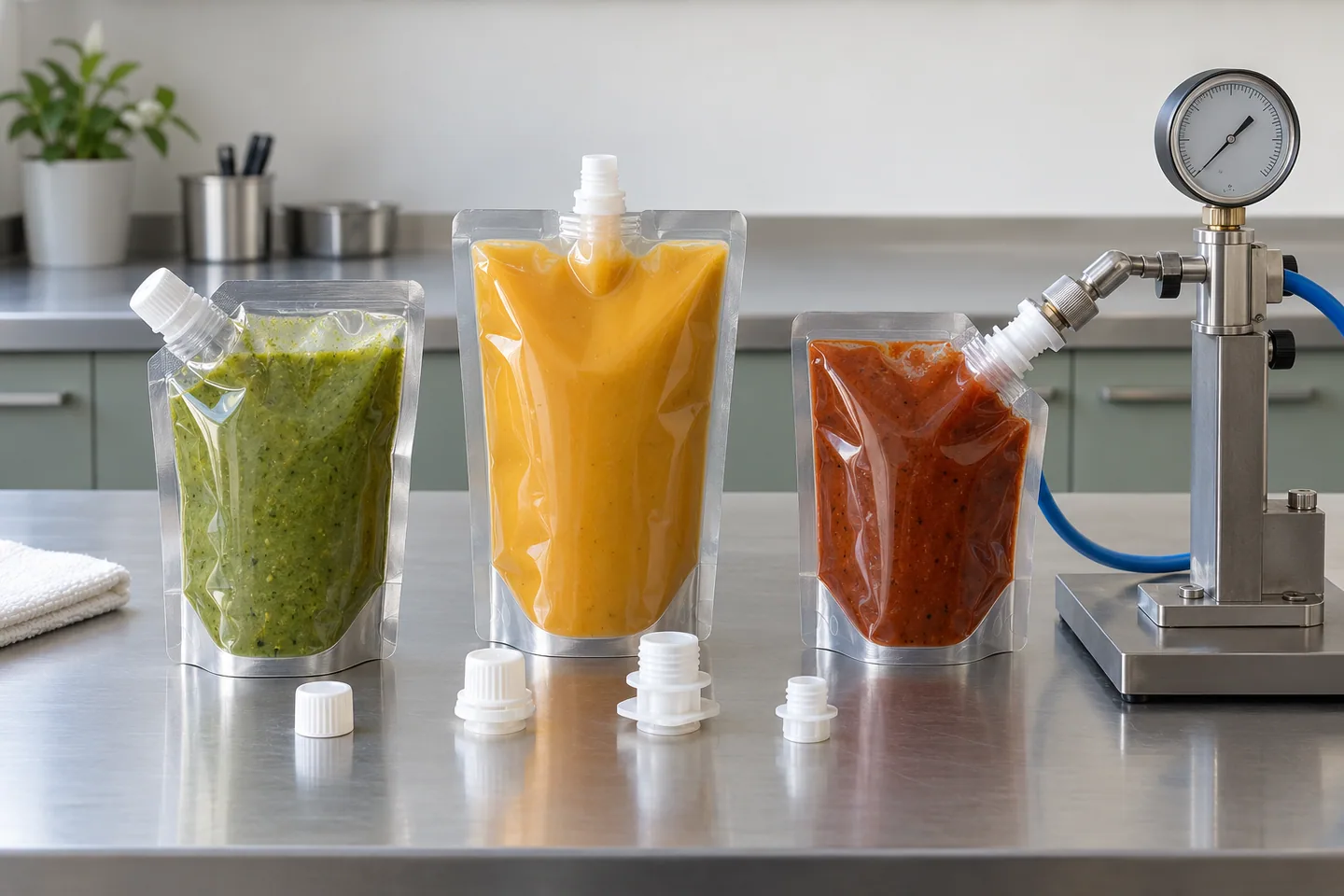
Coordinate product viscosity, fitment diameter, cap, laminate, filling conditions and leak testing as one spout-pouch system.
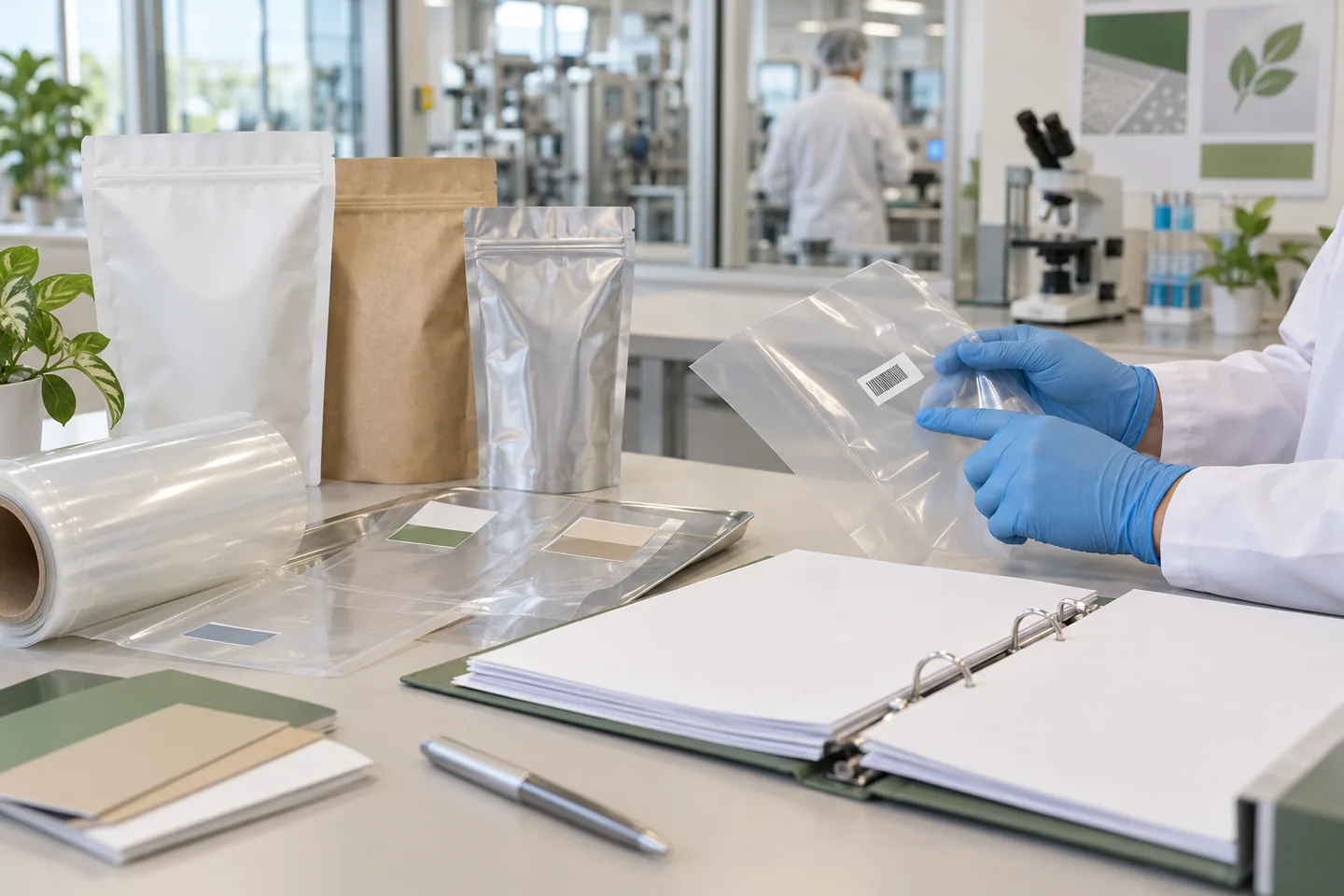
Connect declarations, specifications, migration evidence, traceability and conditions of use to the actual supplied packaging structure.
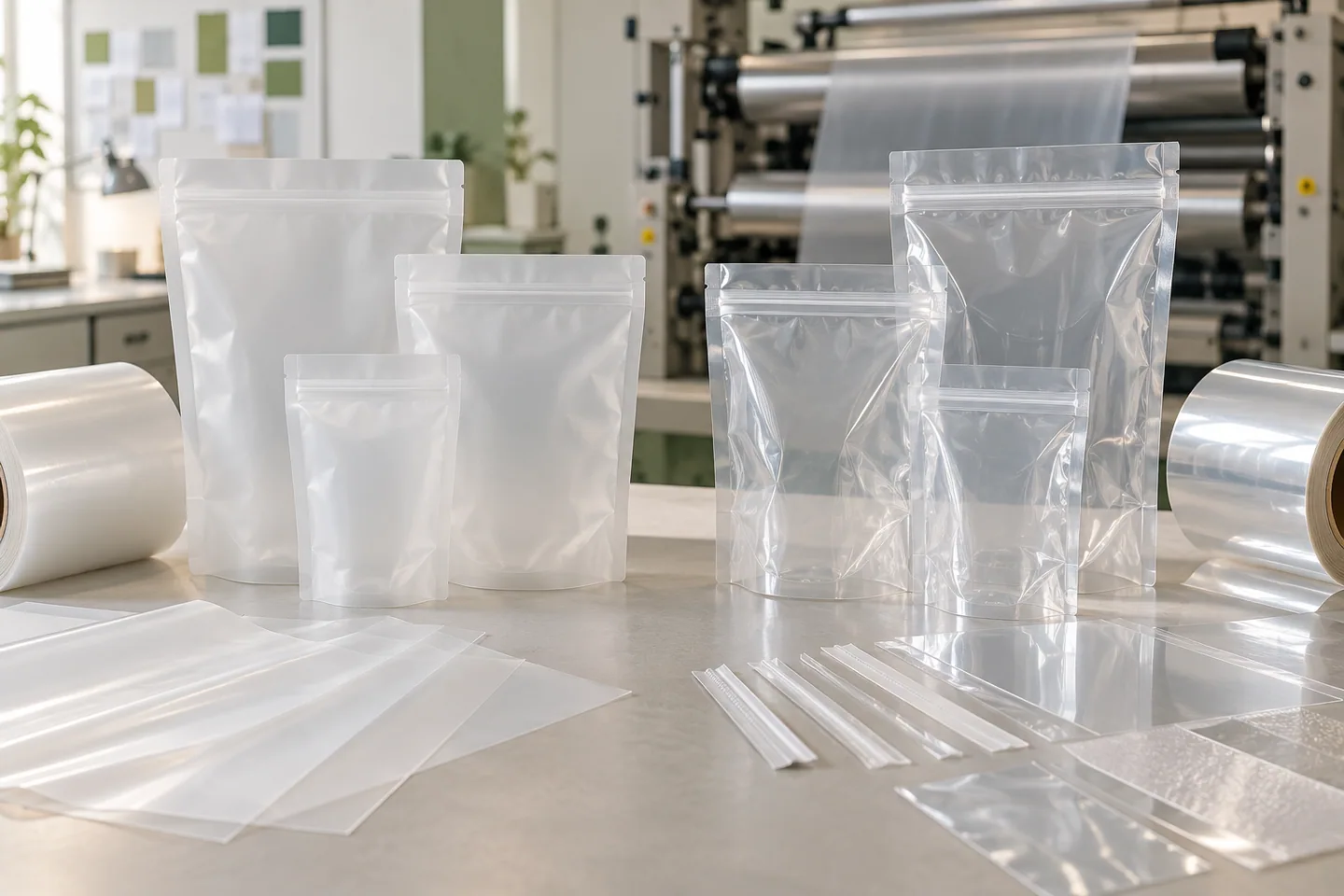
Compare mono-PE and mono-PP pouch directions by barrier, sealing, stiffness, printing, line behavior and local recycling acceptance.
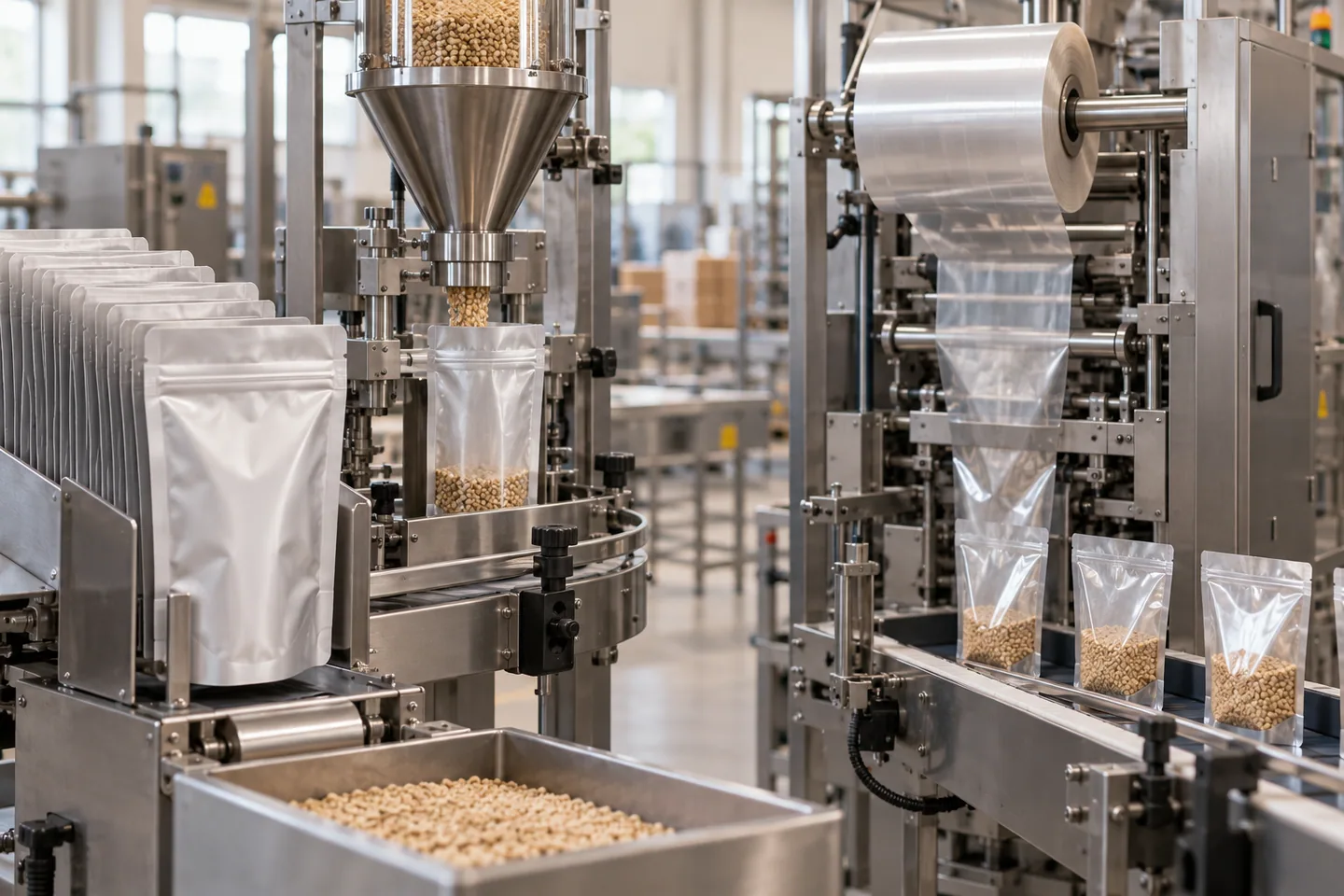
Compare premade pouches and rollstock through equipment, speed, changeover, format flexibility, sealing ownership and total operating cost.
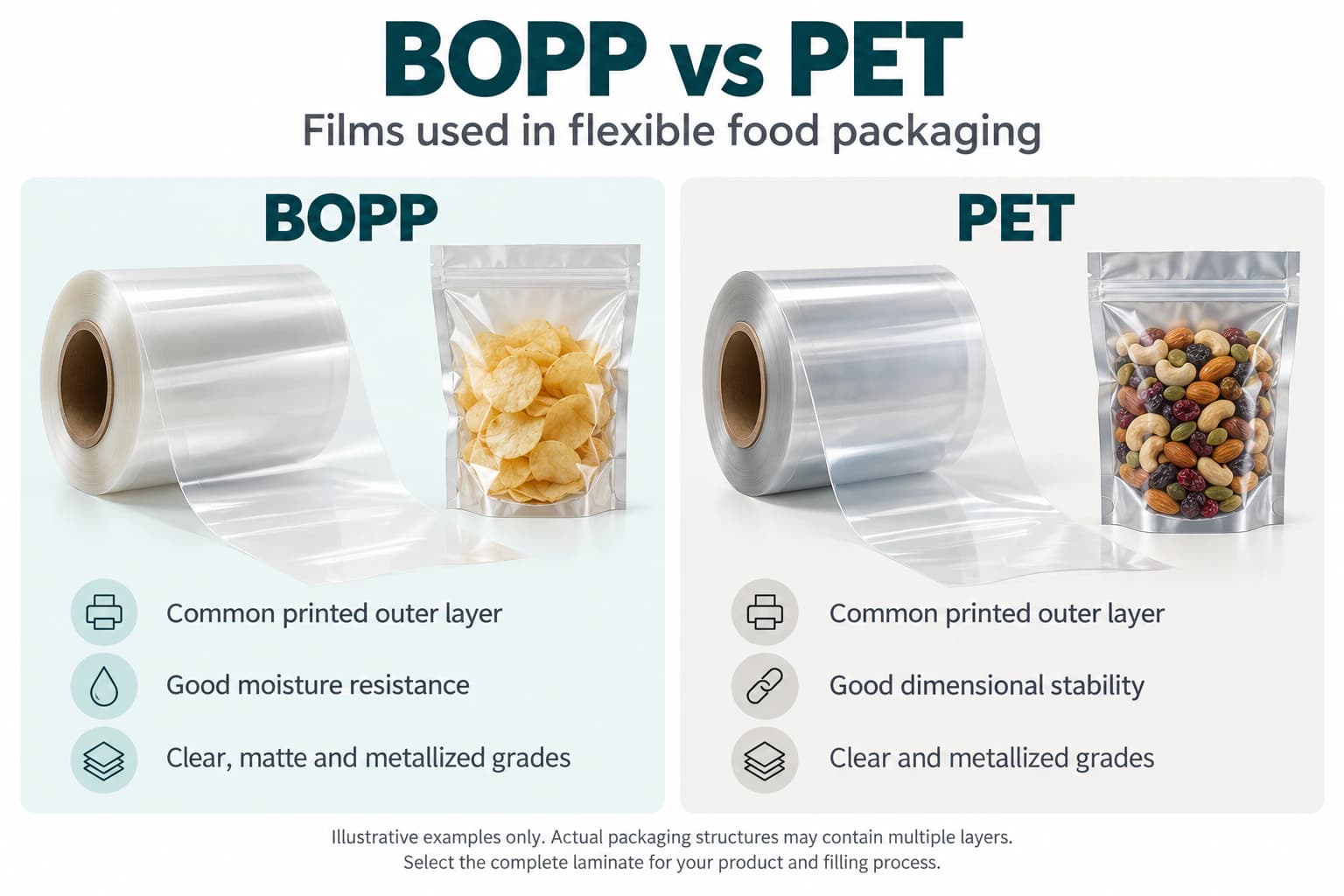
Compare how BOPP and PET contribute printability, stiffness, moisture resistance and laminate performance in flexible food packaging structures.
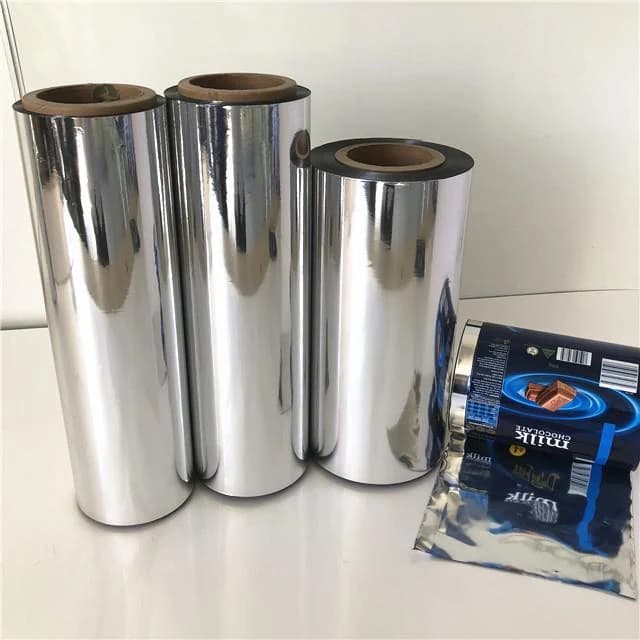
Understand how vacuum-metallized PET is used in flexible food packaging, what protection it can add and how it fits into multilayer laminates.
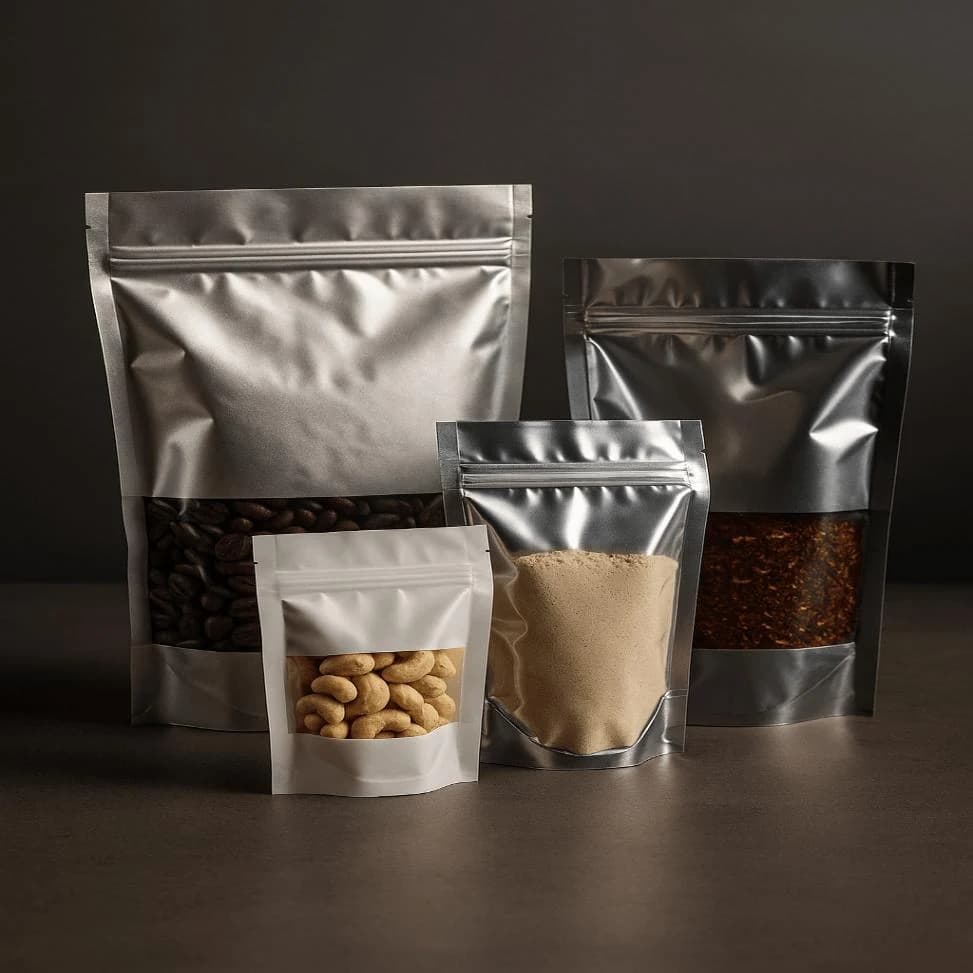
Compare aluminum foil and VMPET by barrier needs, handling, application and validation before choosing a flexible food packaging structure.
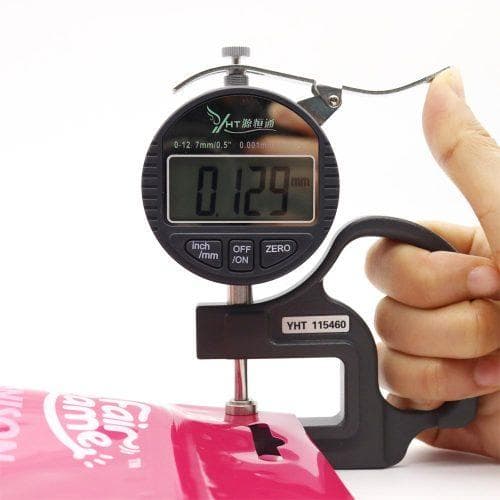
Understand how moisture, oxygen, light, film structure and package integrity work together when planning a food pouch for a shelf-life target.
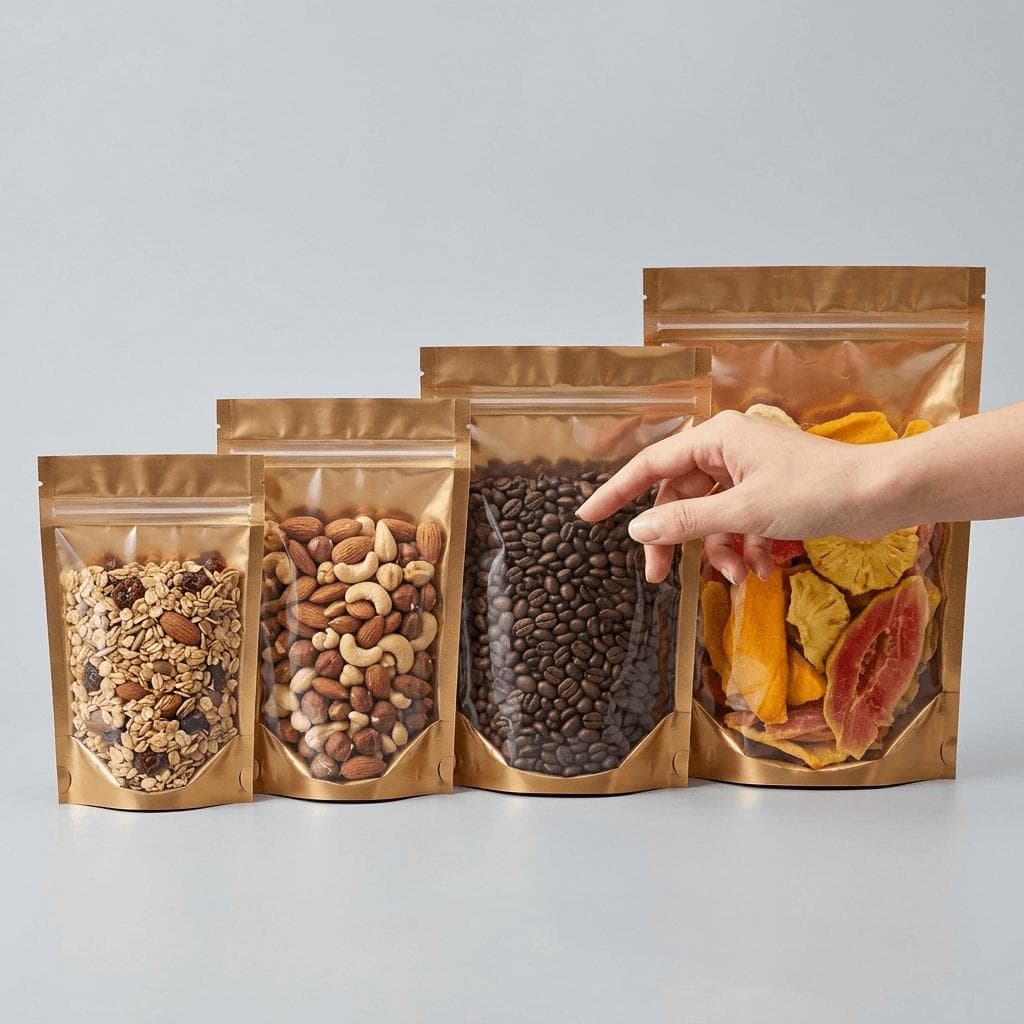
Compare food pouch thickness on a consistent basis, then assess the complete structure against fill weight, sealing, handling and distribution needs.
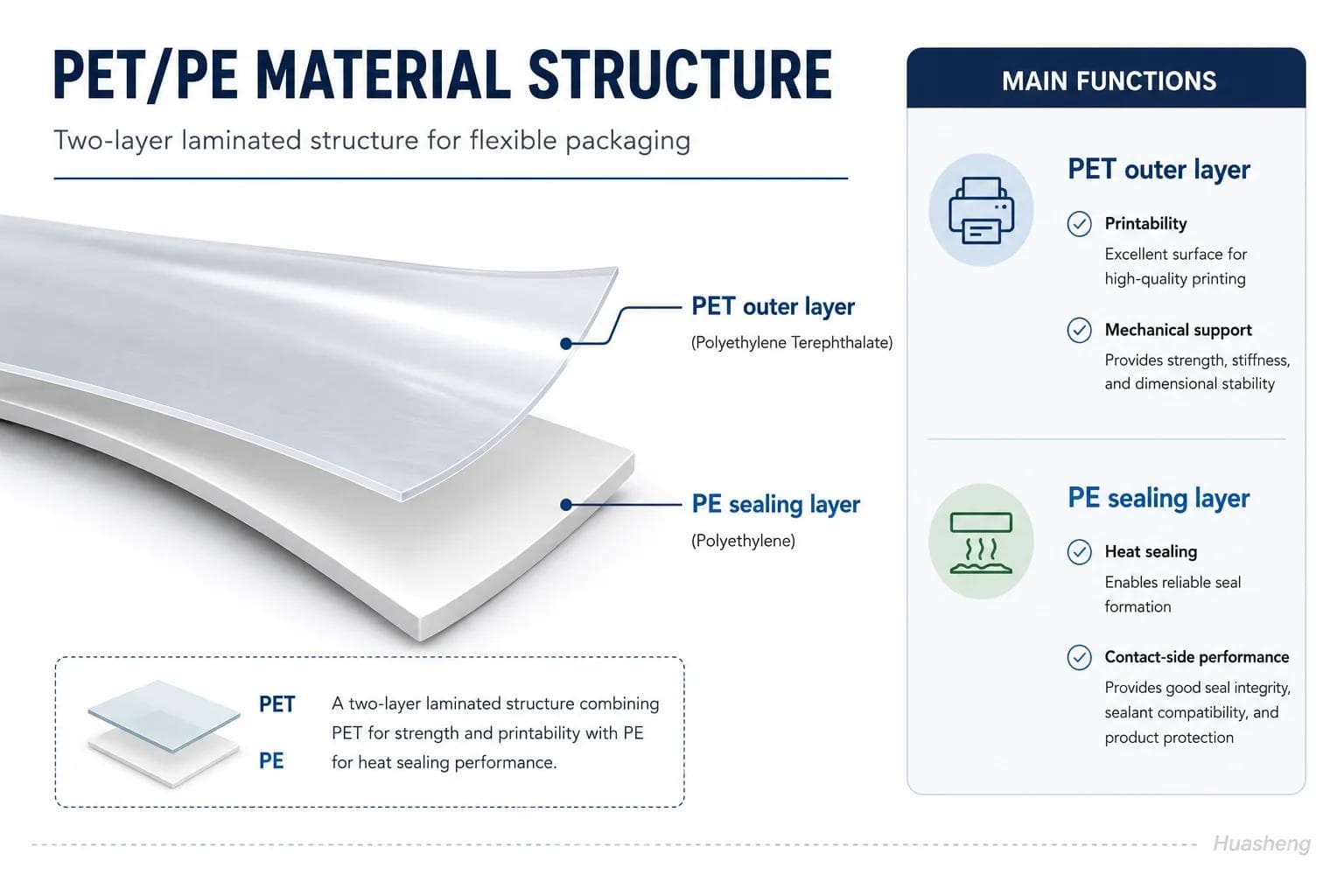
See how PET and PE perform complementary roles in flexible food packaging and why the complete laminate matters more than a material name alone.
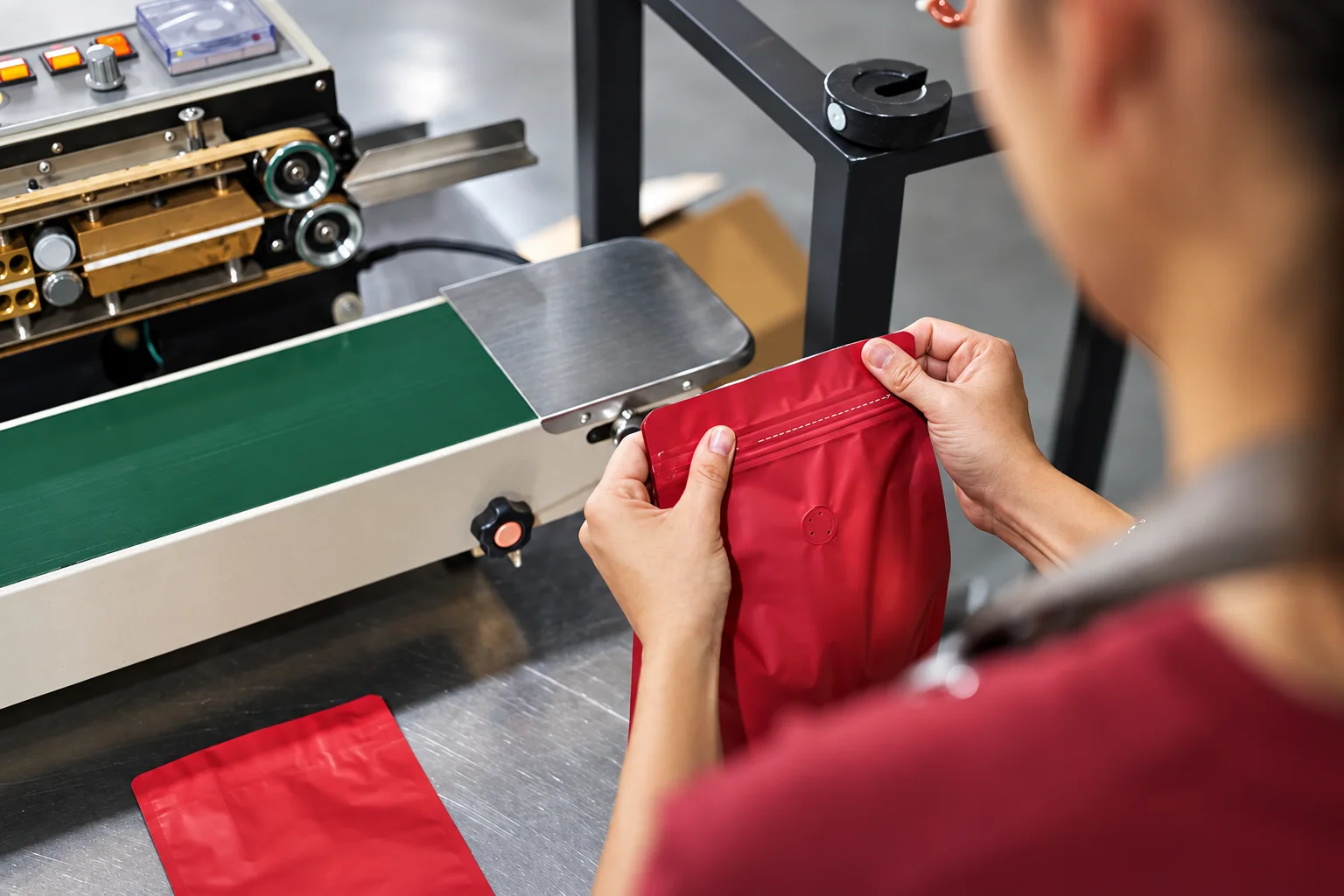
Match food packaging bags to the product, shelf-life target, filling process, barrier needs and distribution conditions—not bag shape alone.
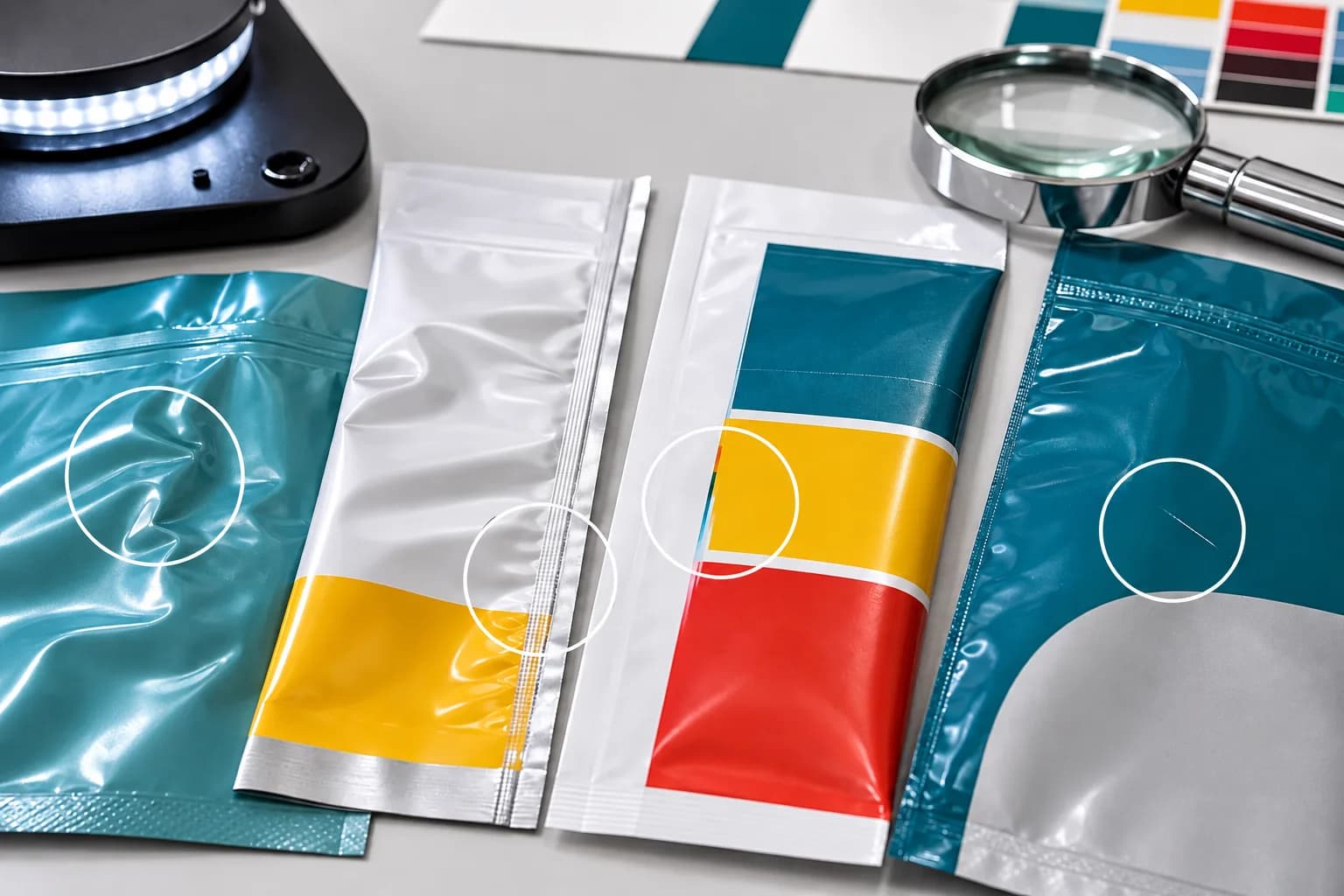
Turn broad quality claims into seven checks buyers can verify against an agreed specification, filled samples and inspection records.
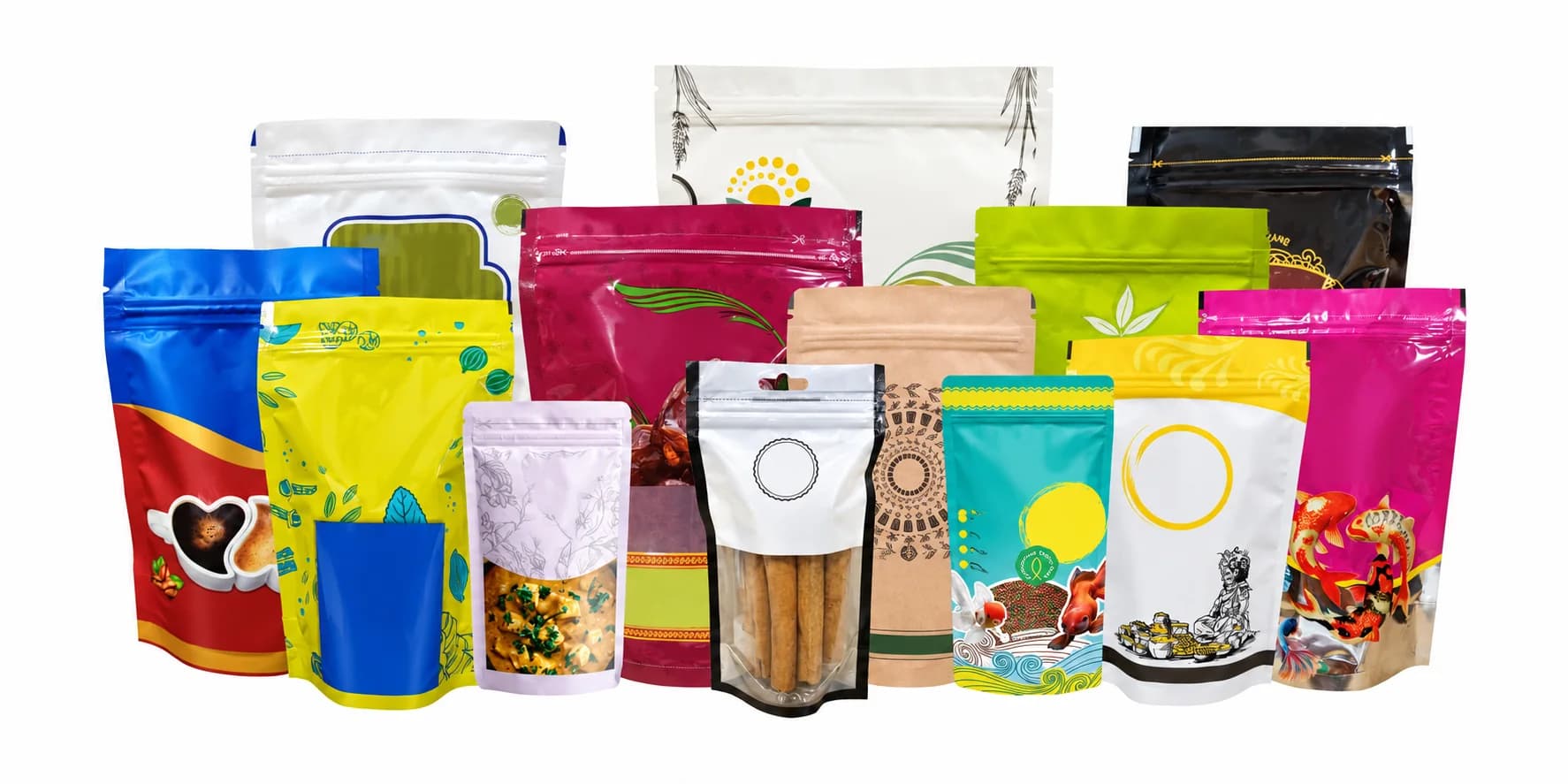
Understand how films, seals, closures and secondary packaging work together to protect food through storage, handling and transportation.
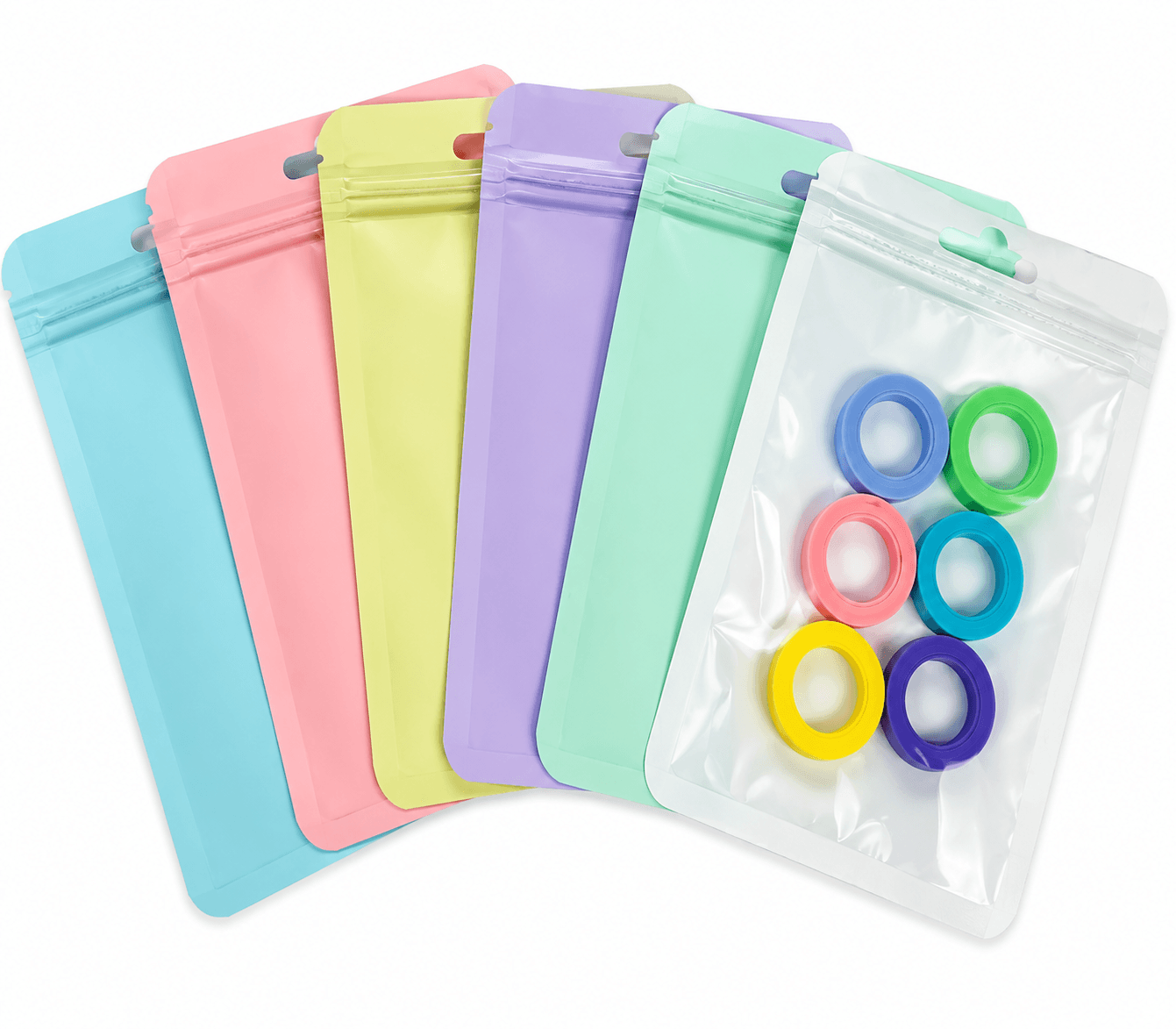
Compare common pouch structures by product protection, filling method, capacity, shelf presentation and consumer use before approving samples.
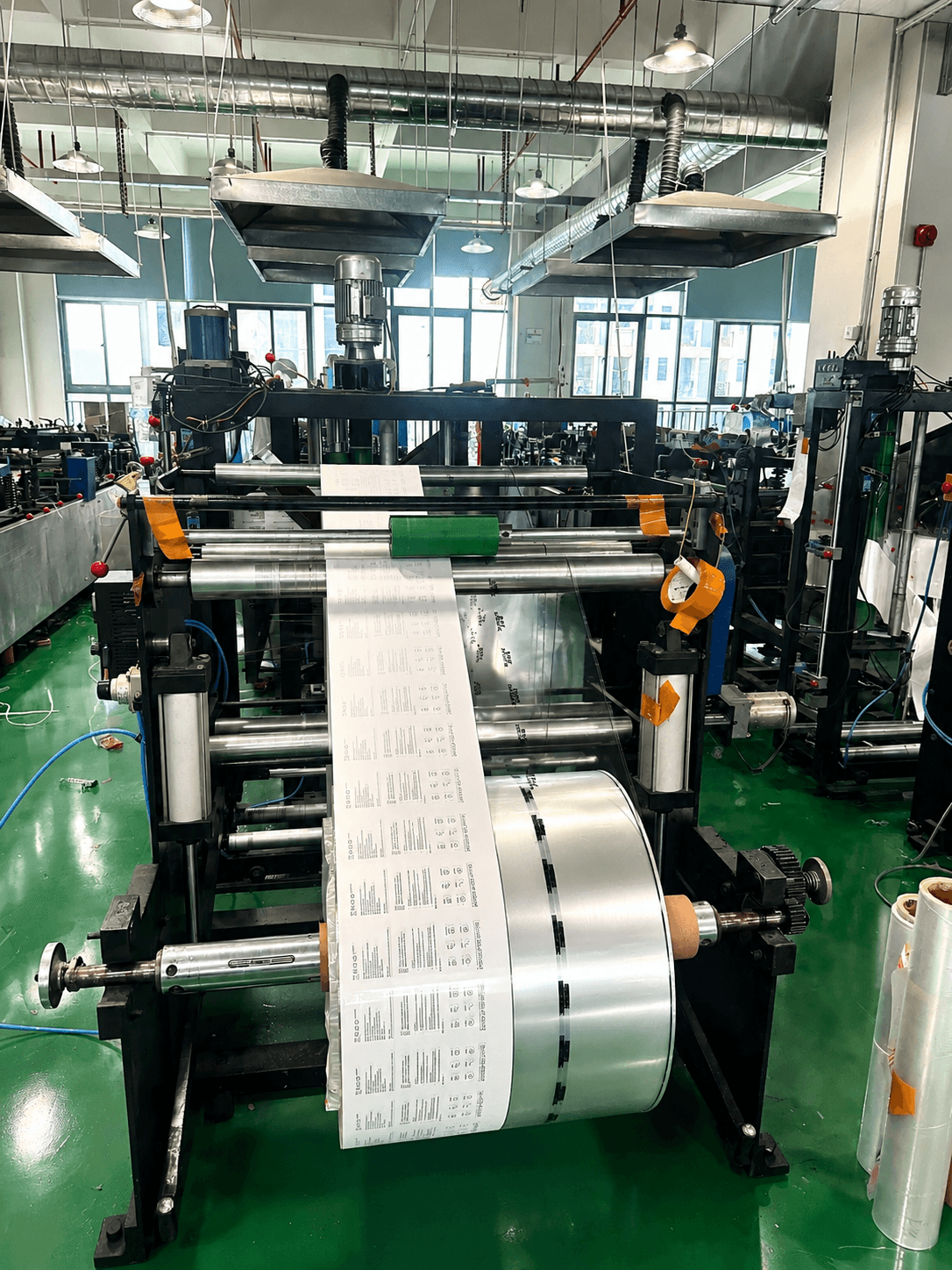
Translate product sensitivity and shelf-life goals into measurable oxygen, moisture, light, sealing and finished-package requirements.
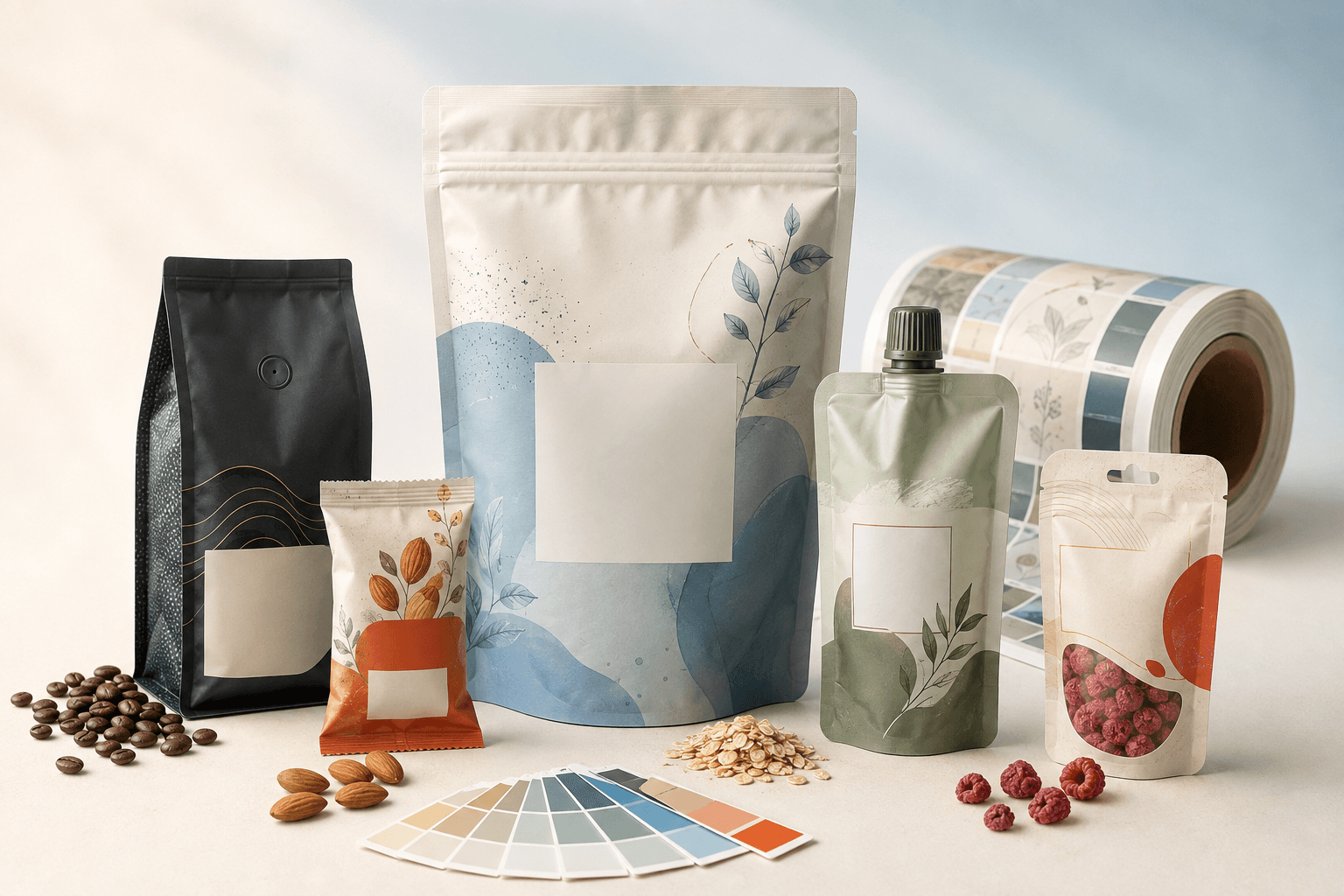
Prepare a more comparable RFQ by understanding what changes MOQ, pouch cost, production timing, artwork approval and shipment inspection.
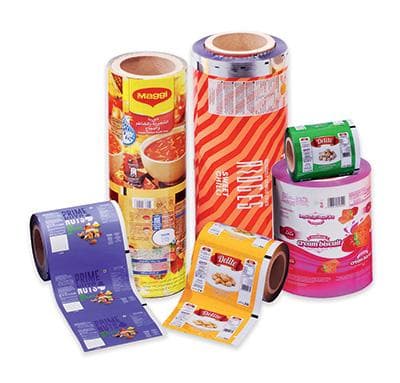
Understand why flexible food packaging combines multiple films and how each layer supports printing, sealing, strength, moisture, oxygen and light protection.
See how material selection, laminate structure and seal quality work together to limit water-vapor ingress and protect moisture-sensitive foods.
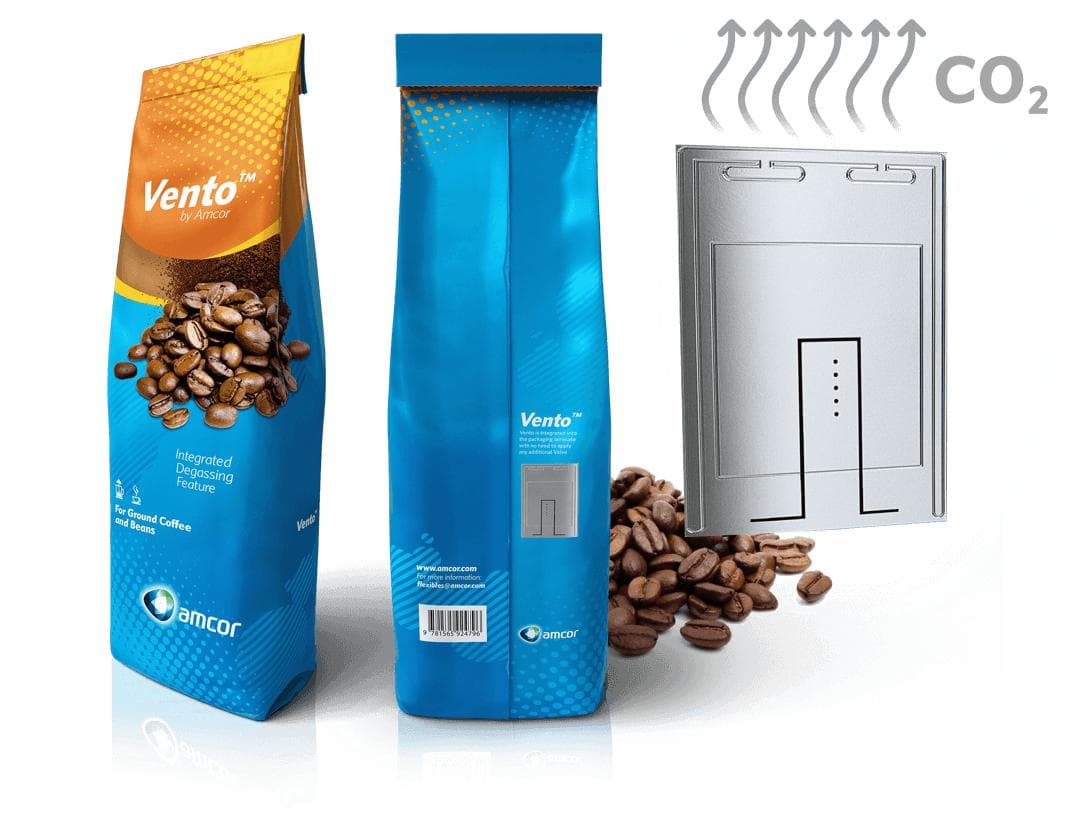
Understand oxygen-barrier properties, common high-barrier materials and why both laminate structure and seal quality matter for sensitive foods.
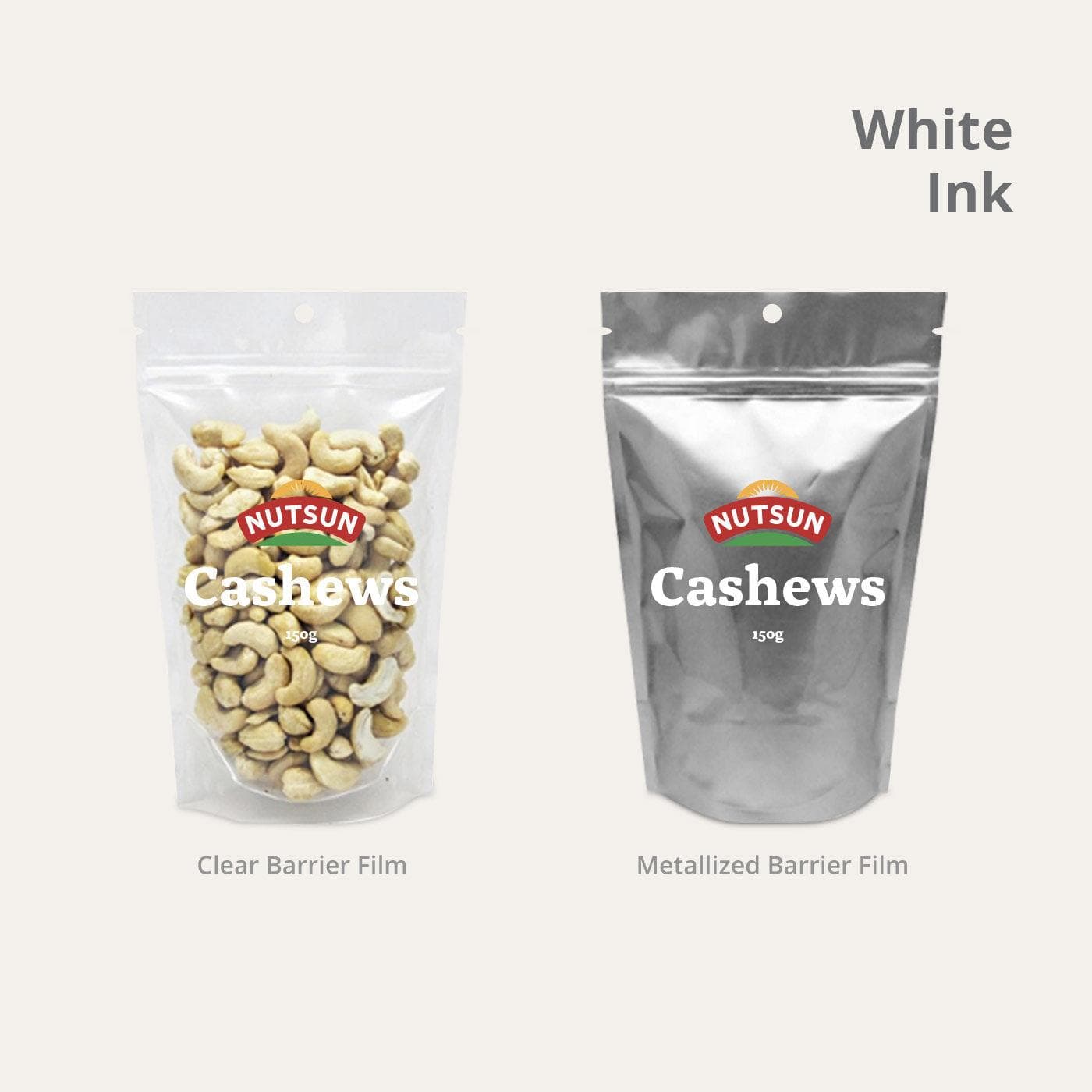
Explore how light can affect sensitive foods and how transparent windows, metallized films and aluminum foil can balance display with protection.
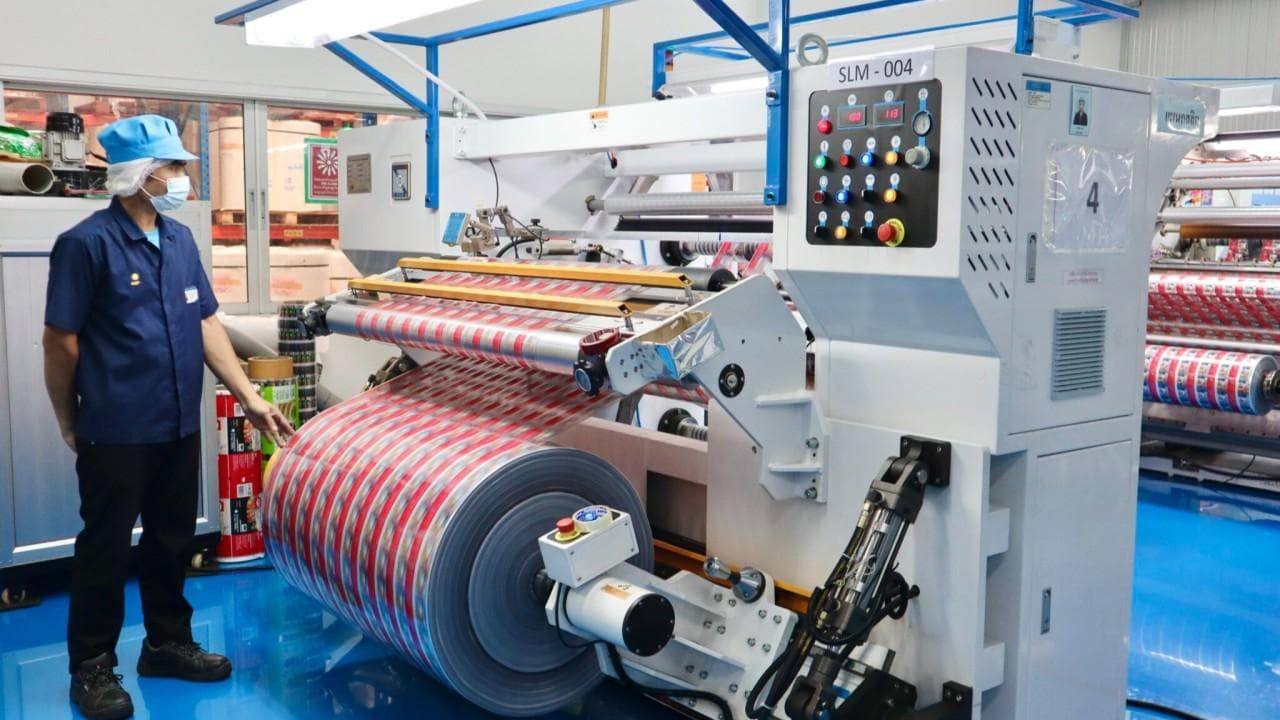
Follow the core production stages behind flexible food packaging bags, from material selection and printing to lamination, bag making and quality inspection.
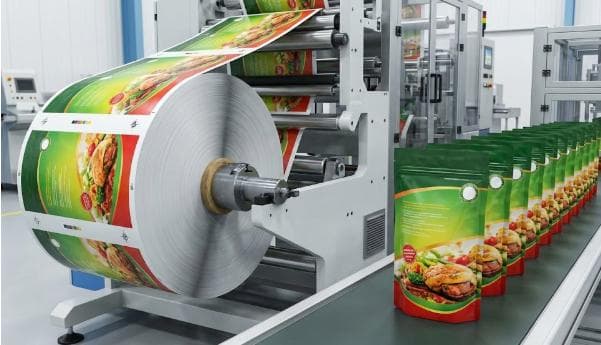
See how a printed film roll moves through lamination, curing, slitting, bag forming, feature installation, inspection, packing and shipment.
Share your product, target format and quantity. We will help identify the next practical questions for your packaging project.