
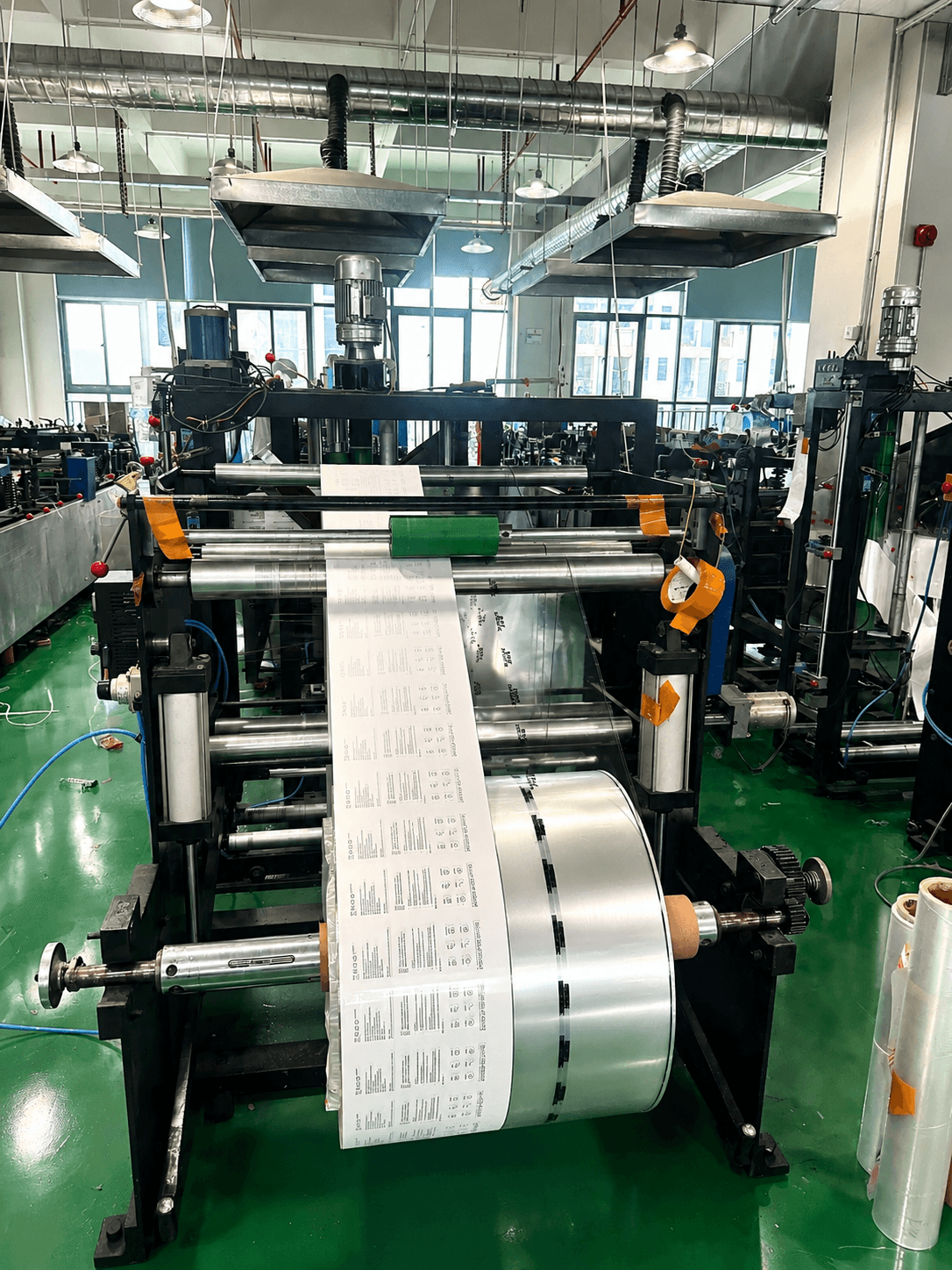
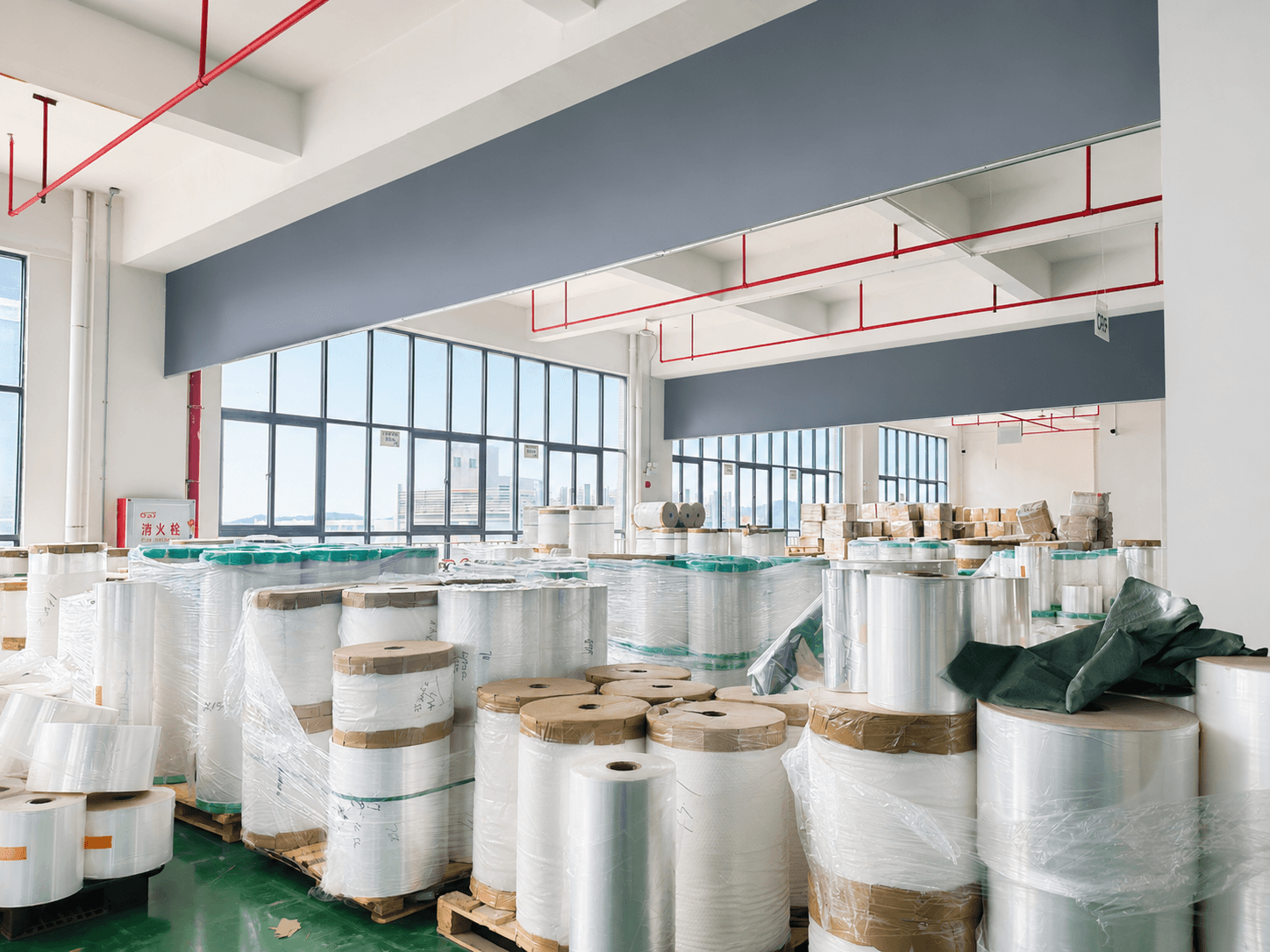
Choosing a barrier structure is not simply a matter of asking for “high barrier film.” A pouch is a packaging system. Its performance depends on the product, expected shelf life, filling process, seal design, storage conditions, distribution environment and the way consumers open and close the pack.
That is why two products that look similar may need different structures. A roasted coffee product may be highly sensitive to oxygen and aroma loss. A crisp snack may need strong moisture protection and reliable seals around oil or seasoning contamination. A frozen product may need more puncture and flex-crack resistance than an ambient dry product. A fruit purée in a spout pouch adds seal and fitment requirements that do not exist in an ordinary dry-food pouch.
This guide explains how overseas food, coffee, pet food, snack, beverage and consumer-product buyers can turn product requirements into a practical material brief. It also shows what to test before approving production.
Quick Answer: What Makes a Flexible Package “High Barrier”?
A high-barrier pouch slows the transfer of substances that could damage the product, most commonly oxygen, water vapor, light or aroma. The required barrier level is product-specific and time-specific. It should be expressed using measurable requirements, evaluated under stated test conditions and confirmed in the finished package—not assumed from a material name alone.
A useful selection process is:
- Identify what causes the product to lose quality.
- Define the intended shelf life and storage conditions.
- Select a film structure that balances barrier, strength, sealing and processing.
- Test the film, seals and completed pouch under relevant conditions.
- Validate shelf life with the actual filled product.
The most protective structure is not automatically the best structure. Excess performance can add cost, weight or converting complexity without improving the customer’s outcome.
Barrier Selection Starts With the Product Failure Mode
Before comparing film names, ask what can realistically go wrong during the product’s commercial life.
Oxidation
Oxygen can contribute to rancidity, color change, vitamin loss, flavor deterioration and aroma loss. Products containing fats, roasted ingredients, sensitive flavors or oxygen-reactive components often need an oxygen-control strategy. Coffee, nuts, meat snacks, pet treats, nutritional powders and some dehydrated foods are common examples.
The package may also need to manage oxygen already present in the headspace. In some applications, nitrogen flushing, vacuum packing, oxygen absorbers or a degassing valve work together with the film barrier. Film selection alone cannot correct an unsuitable filling process.
Moisture Gain or Moisture Loss
Water vapor can move into or out of a pack. A crisp product may soften after absorbing moisture. A moist product may lose mass or texture when moisture escapes. Powders can cake, hygroscopic ingredients can become difficult to dispense, and dry pet treats can change texture.
Moisture protection therefore needs to match both the product and the outside climate. A structure that performs acceptably in a mild distribution environment may behave differently under hot, humid storage.
Light Exposure
Some oils, colors, vitamins, flavors and active ingredients are sensitive to ultraviolet or visible light. Opaque films, metallized layers, aluminum foil or suitably printed constructions can reduce exposure. If product visibility is commercially important, the buyer may need to balance a clear window against light sensitivity and shelf-life expectations.
Aroma and Flavor Transfer
Packaging should help retain desirable aroma while reducing unwanted transfer from the environment. Coffee, spices, tea, flavored powders and aromatic pet products can be especially demanding. Aroma performance should be reviewed as part of the complete structure because inks, adhesives, sealants and fitments can all influence the finished pack.
Grease, Oil and Chemical Compatibility
Oily foods, sauces and household products may interact differently with sealant layers, adhesives or fitments. Compatibility should be assessed using the actual formulation and intended contact conditions. A material that works for a dry snack should not be assumed to work for an acidic liquid, an oil-rich paste or a chemical household product.
Mechanical Damage
Barrier performance is useful only while the package remains intact. Puncture, abrasion, flex cracking, pinholes and weak seals can undermine an otherwise excellent structure. Sharp products, dense fills, frozen distribution and parcel shipping may justify additional mechanical testing.
OTR and WVTR: Useful Numbers With Important Conditions
Two common measurements are oxygen transmission rate and water vapor transmission rate.
Oxygen Transmission Rate (OTR)
OTR describes the amount of oxygen that passes through a material over a specified area and time under stated test conditions. A lower value generally indicates stronger oxygen barrier. The number is meaningful only when the test method, temperature, relative humidity, specimen and units are clear.
Humidity can materially affect some barrier materials. A supplier data sheet measured under one condition should not be treated as a universal prediction for every warehouse, filling line or distribution route.
Water Vapor Transmission Rate (WVTR)
WVTR describes the movement of water vapor through a material under specified conditions. A lower value generally indicates stronger moisture barrier. ASTM F1249 is one recognized method for measuring water vapor transmission through plastic film and sheeting using a modulated infrared sensor.
Again, the conditions matter. Buyers should compare values generated by compatible methods and conditions rather than ranking materials from unrelated data sheets.
Film Data Is Not the Same as Finished-Pouch Performance
A laboratory value for flat film does not include every feature of the finished package. Seals, gussets, folds, laser scoring, valves, zippers, spouts and handling damage can influence total performance. For critical products, assess the converted pouch and then run a filled-product shelf-life program.
Understanding the Roles Inside a Laminated Structure
Many custom flexible packages combine two or more layers because no single material provides ideal printing, strength, barrier and sealing at the same time.
Outer Print and Protection Layer
The outer web provides a printing surface and helps protect the graphics and inner layers. PET and BOPP are common examples, but suitability depends on the construction, printing process and mechanical demands.
Structural Layer
A structural layer contributes stiffness, puncture resistance, tear behavior or dimensional stability. Polyamide can be useful where toughness or puncture resistance is needed, while other oriented films may provide stiffness and machinability.
Barrier Layer
Barrier may come from aluminum foil, metallized film, EVOH, coatings or other functional layers. Each option has tradeoffs involving transparency, flex resistance, cost, recycling pathway, converting process and sensitivity to heat or humidity.
Sealant and Product-Contact Layer
The inner layer must seal within an appropriate temperature window and be compatible with the product and filling process. PE and CPP families are frequently used, but the correct grade and thickness depend on the application. Hot fill, retort, frozen use, aggressive formulations and contaminated seal areas require specific review.
Adhesives, Inks and Functional Features
Adhesives and inks are part of the package construction, not decorative afterthoughts. Their suitability depends on curing, migration control, intended use and regulatory status. Zippers, valves and spouts introduce additional interfaces that must remain compatible with the pouch body.
Common Material Families and What Buyers Should Ask
The following overview is intended for comparison, not as a final specification.
| Material or layer | Typical role | Useful buyer questions |
|---|---|---|
| PET | Print surface, stiffness, heat resistance | What thickness and treatment are used? How is print protected? |
| BOPP | Clarity, stiffness, moisture resistance | Is it coated or metallized? Is it suitable for the planned filling temperature? |
| PA / nylon | Toughness and puncture resistance | How will humidity and flexing affect the construction? |
| PE | Sealant, flexibility, moisture resistance | What seal window, slip level and product compatibility are expected? |
| CPP | Sealant and heat resistance in selected uses | Is the grade suitable for the process and storage temperature? |
| EVOH | Oxygen barrier in multilayer structures | How is it protected from humidity, and what is the intended use? |
| Metallized film | Light and gas barrier with lower weight than foil in many structures | What optical density and flex performance are specified? |
| Aluminum foil | Very strong light, gas and moisture barrier when intact | Is flex cracking a concern? Are windows or metal detection required? |
| Paper | Tactile or natural appearance in a laminate | What functional layer provides the actual barrier and seal? |
Material names alone do not define performance. Ask for the full proposed structure, layer thicknesses, relevant test data, intended conditions of use and confirmation that the product-contact materials are suitable for the target market.
Transparent High Barrier, Metallized Film or Foil?
This is a frequent sourcing decision because it affects both shelf presence and protection.
Transparent Barrier Structures
Transparent options can support product visibility, inspection and certain brand designs. They may be appropriate when light protection is not critical and the required oxygen barrier can be maintained under the intended conditions. Buyers should ask how temperature and humidity influence performance.
Metallized Structures
Metallized films can provide useful light, oxygen and moisture protection while remaining flexible and relatively lightweight. Performance depends on metal coverage, handling and the completed laminate. Pinholes, cracking or converting damage should be considered where the distribution environment is demanding.
Aluminum-Foil Structures
Foil can provide extremely strong barrier while intact, making it relevant to highly sensitive products or long shelf-life targets. It is opaque and can be vulnerable to flex cracking in some constructions. A foil specification should therefore include mechanical expectations, not only barrier values.
The correct choice is the one that meets the validated shelf-life target, runs reliably on the filling line and supports the commercial format at an acceptable total cost.
Application Examples: Turning Product Needs Into a Material Brief
Snacks, Chips and Crackers
The primary concern is often moisture gain, with oxygen and light protection added for products containing oxidation-sensitive oils or flavors. The pouch must also seal reliably despite crumbs, seasoning or oil near the seal area. Mechanical resistance matters when sharp product edges or parcel distribution are involved.
A practical brief should state the target shelf life, filling temperature, nitrogen-flush requirement, seal contamination risk, pack dimensions and distribution climate.
Roasted Coffee
Roasted coffee can require strong oxygen and aroma protection. Whole-bean packs may also need a one-way degassing valve. The valve, laminate and seals should be evaluated as one system. A buyer should specify whole bean or ground coffee, roast and oil characteristics, fill weight, packing method, valve requirement and expected storage period.
Pet Food and Treats
Dry pet food and treats vary widely in fat level, aroma, piece shape and pack weight. Large fills add drop and seal-load demands. Rich formulations may increase the importance of oxygen barrier and product compatibility. Resealability can improve convenience but does not replace the original hermetic seal.
Powders and Supplements
Moisture ingress, aroma transfer, powder contamination in the seal and dosing convenience can all be important. The buyer should identify whether the product is hygroscopic, whether a scoop or zipper is needed and whether small-dose or bulk filling equipment will be used.
Frozen Food
Frozen packaging must tolerate low-temperature handling, product edges and condensation during logistics. Material flexibility and impact performance can be more important than an extreme gas barrier. Test at realistic temperatures because room-temperature handling does not represent frozen distribution.
Sauces, Purées and Spouted Products
Liquids require close attention to sealant compatibility, fitment weld strength, drop performance, transport orientation and filling temperature. Hot-fill or thermal processes require an application-specific structure. Never infer suitability from the pouch appearance alone.
A Practical Validation Plan Before Mass Production
Good validation proceeds in stages. It reduces the risk of discovering a material, sealing or artwork problem after a full production run.
1. Review the Requirement and Regulatory Market
Document the product composition, intended use, filling process, storage conditions, shelf-life target and destination markets. For food-contact packaging sold into the United States, the regulatory status of every food-contact component depends on its identity, intended use and conditions of use. Ask the supplier for appropriate compliance documentation; do not treat a generic “food grade” statement as a complete review.
2. Compare Technical Data Under Consistent Conditions
Review OTR, WVTR, thickness, seal strength, puncture and other relevant properties. Record the test method and conditions. If two data sheets use different conditions or units, request clarification before comparing them.
3. Test the Pouch on the Filling Line
Check feeding, opening, filling, sealing, coding and pack handling. Record the actual seal temperature, pressure and dwell time rather than approving the pouch only by visual inspection. Include realistic product contamination near the seal where applicable.
4. Test Completed-Package Integrity
Depending on risk, testing may include seal-strength evaluation, leak testing, drop testing, compression, vibration, burst or creep testing, fitment checks and valve performance. Parcel-distribution programs such as ISTA 3A can inform packaged-product simulation for relevant shipment types, but the selected protocol should match the actual distribution system.
5. Run Filled-Product Shelf-Life Validation
Final shelf-life responsibility cannot be transferred to a film data sheet. Use actual product, final packaging, production-representative seals and realistic storage. Track the attributes that define failure: flavor, texture, oxidation, moisture, color, aroma, microbiological condition or active-ingredient performance, as applicable.
6. Approve a Production Standard
The signed standard should cover the structure, thickness tolerance, pouch dimensions, print reference, seal appearance, functional features, packing method and agreed inspection criteria. Shipment inspection should verify approved requirements rather than introduce a new subjective standard at dispatch.
What to Include in a Barrier Packaging RFQ
Provide the following information when requesting a material recommendation:
- Product name, composition and physical form
- Oil, fat, acid, alcohol or aroma considerations
- Fill weight and target pouch dimensions
- Filling temperature and sealing equipment
- Ambient, chilled, frozen, hot-fill or other process conditions
- Shelf-life target and failure concerns
- Storage temperature and humidity range
- Distribution route and secondary packaging
- Need for transparency, light block or a clear window
- Zipper, valve, spout, laser score or other features
- Destination countries and required food-contact documentation
- Forecast quantity, trial quantity and artwork count
This information allows a converter to propose a defendable starting structure. It does not replace line trials or shelf-life validation.
Common Barrier-Specification Mistakes
Asking Only for the “Highest Barrier”
This can lead to unnecessary cost or a structure that performs poorly on the customer’s equipment. Define the failure mode and target instead.
Comparing Numbers Without Test Conditions
OTR and WVTR values are not directly comparable when methods, units, temperature or humidity differ.
Ignoring Seals and Features
A zipper, valve, spout or weak seal can become the limiting part of the system. Test the completed package.
Assuming a Past Structure Will Fit a New Product
A change in formulation, fill temperature, pack size, logistics or shelf-life target can change the requirement.
Skipping Production-Representative Trials
Hand-filled samples are useful for design review but may not predict opening, feeding and sealing performance on an automated line.
Frequently Asked Questions
What is the best barrier material for food packaging?
There is no universal best material. The appropriate structure depends on the food’s oxygen, moisture, light and aroma sensitivity, along with its filling process, shelf life, storage and distribution. A validated multilayer structure is often more useful than choosing a material by name.
Is aluminum foil always better than metallized film?
Foil generally provides very strong barrier while intact, but it is opaque and may face flex-crack concerns. Metallized film can provide a useful balance of barrier, flexibility, weight and cost. The better option is determined through performance requirements and testing.
What is a good OTR or WVTR for a pouch?
A “good” value is one that supports the product’s validated shelf-life target under relevant conditions. The answer varies by product, package area, storage environment and headspace. Ask for method, units and test conditions with every value.
Can a clear pouch provide high oxygen barrier?
Yes, some transparent multilayer structures can provide substantial oxygen barrier. Their performance may depend on humidity and construction, so technical data and finished-pack testing are still required.
Does a thicker pouch always have better barrier?
No. Thickness can affect strength and transmission, but the type and continuity of the functional barrier layer are often more important. A thicker low-barrier film is not necessarily better than a well-designed thinner laminate.
Who is responsible for shelf-life testing?
The brand owner should establish and validate the product’s shelf life with support from qualified packaging, product and laboratory partners. A packaging supplier can provide data and samples, but cannot know every formulation and commercial condition without a defined validation program.
What food-contact documents should a buyer request?
Requirements depend on the destination market and intended conditions of use. Buyers commonly request a declaration describing the structure and relevant compliance basis, supporting supplier documentation and traceability information. Regulatory review should cover the actual application rather than a generic statement.
Conclusion: Specify the Outcome, Then Validate the Structure
Barrier packaging should begin with the product’s real risks—not with a fashionable material name or a competitor’s pouch. Define the shelf-life target, storage environment, filling process and failure mode. Compare technical values under consistent conditions. Then test the final pouch on the production line and with the filled product.
This approach gives procurement teams a clearer basis for comparing quotations and gives packaging engineers enough information to propose practical structures. It also creates a traceable path from customer requirements to factory testing, production approval and shipment inspection.