
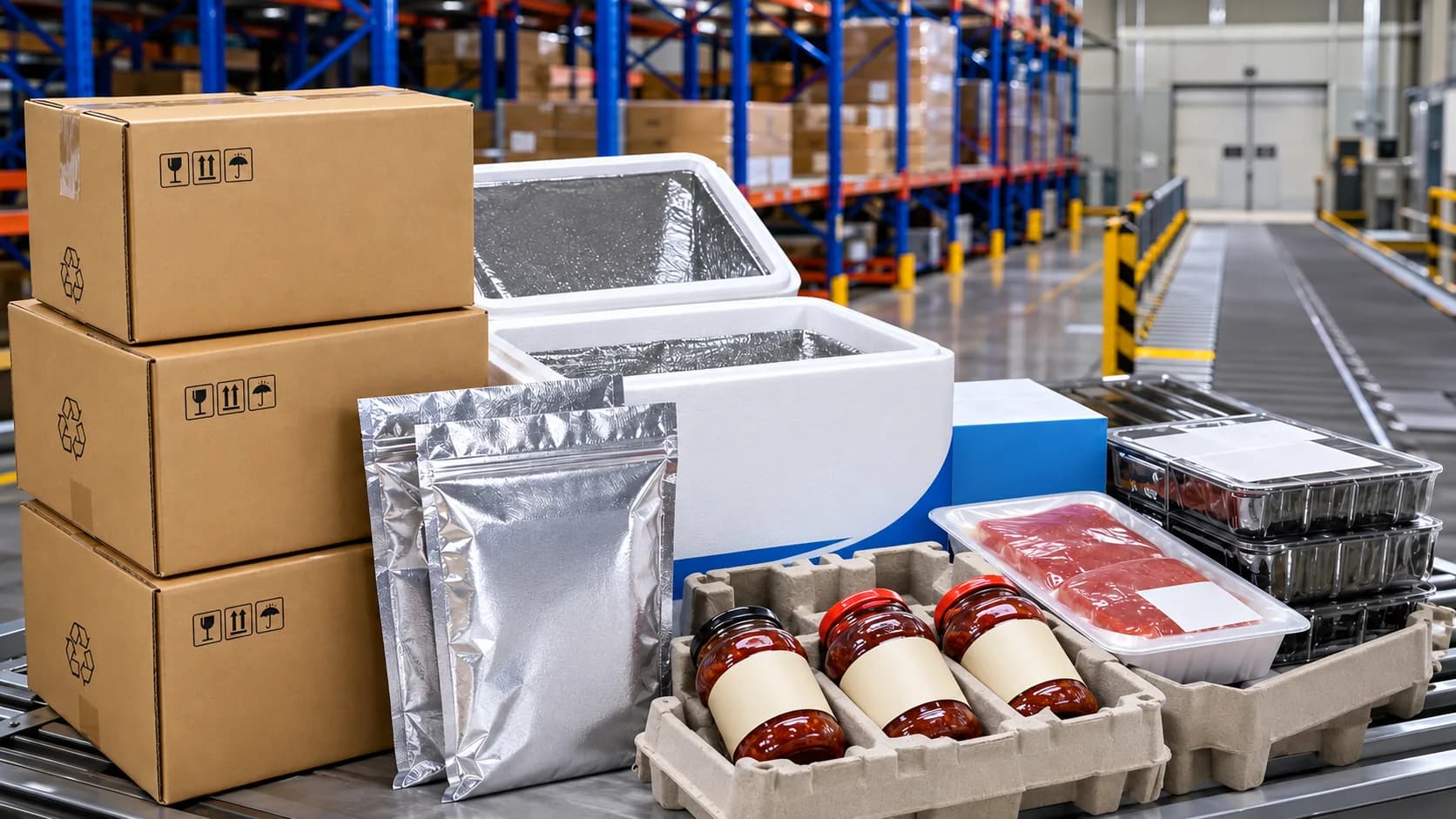
Choose food packaging bags by matching the product, target shelf life, filling process and distribution conditions to the material structure and bag format. Moisture resistance, oxygen barrier, light protection and seal integrity matter differently for each food. Bag shape alone does not determine protection.
1. Dry Foods: Prioritize Moisture Resistance
Crisp snacks such as potato chips, cookies and puffed snacks can lose their texture when they absorb moisture. Candies and dried fruits have different formulations and moisture levels, so their requirements should be assessed individually rather than treated as identical to crisp snacks.
Prioritize an appropriate water vapor barrier and reliable seals. Oily snacks may also need oxygen protection. Three-side seal bags and stand-up pouches are common options; pillow bags with a back seal are also widely used for snack products. Confirm whether your filling line uses premade bags or rollstock before selecting the format.
2. Coffee: Prioritize Oxygen Barrier, Light Protection, and Moisture Resistance
Coffee has stringent packaging requirements, as oxygen, moisture, and light can all compromise its aroma and quality.
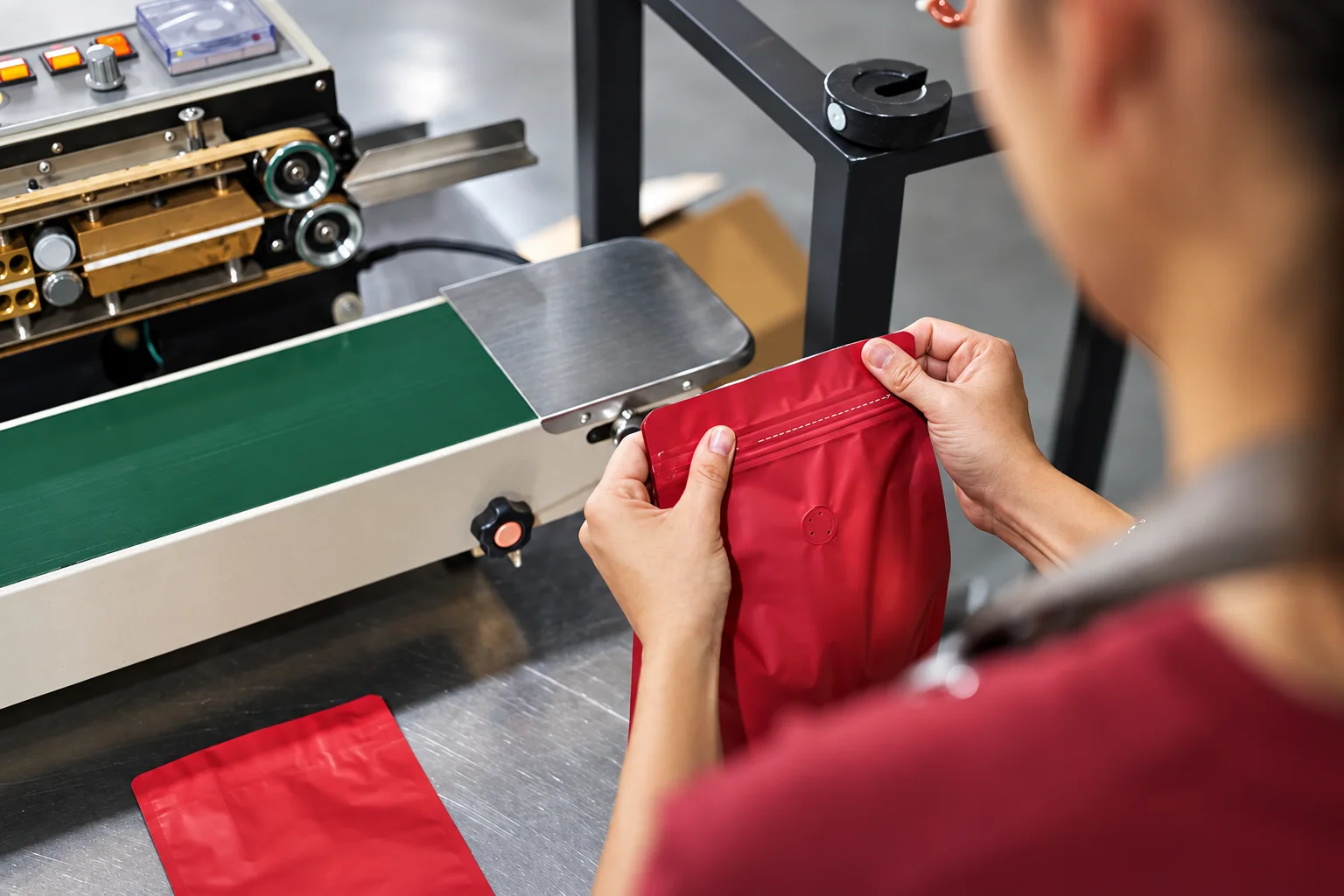
Coffee packaging often needs an oxygen and moisture barrier, with light protection where appropriate. Freshly roasted coffee releases carbon dioxide. A one-way degassing valve can release this gas while limiting outside air entry; its suitability depends on the roast, time before packing and packaging process. A valve does not replace a suitable barrier film or secure seals.
Common formats include flat-bottom bags, side-gusseted bags and stand-up pouches. Choose the format around fill weight, shelf presentation and the filling equipment.
3. Nuts: Focus on Oxygen Barrier, Moisture Resistance, and Strength
Nuts contain fats that can oxidize, affecting flavor. Moisture can also affect texture. Sharp edges and heavier fills may increase puncture or seal stress, depending on the product and pack size.
Therefore, packaging for nuts must balance oxygen barrier properties, moisture resistance, and overall structural strength.
4. Pet Food Requires a Separate Product Assessment
Pet food is an adjacent packaging application rather than human food. Dry kibble, treats and wet pet food have different requirements. Larger dry-food packs need sufficient mechanical strength, while fatty products may also require oxygen and moisture barriers.
Evaluate puncture resistance, seal strength and filled-pack handling. A zipper offers repeated access but does not replace the initial heat seal. Wet pet food that is retorted requires a structure and closures validated for that process.
5. Liquid Foods Require Leak Resistance and Process Compatibility
Sauces, juices and condiments need a package compatible with the product, filling temperature and storage conditions. Ambient filling, hot filling, retort processing and aseptic filling are different applications; a standard spout pouch is not automatically suitable for all of them.
Check the film structure, seals, spout and cap together. Validate sealing conditions on the actual filling line and test filled packs for leakage. Spouted pouches can make pouring easier, but the closure must be selected for the intended process.
6. Bag Style Considerations
Different bag styles offer distinct characteristics:
Stand-up pouches: useful for shelf display and suitable for many snacks and nuts when the structure and dimensions match the product.
Three-side seal bags: a simple format for portion packs and many flat-pack applications; suitability still depends on barrier and sealing requirements.
Flat-bottom bags, also called box pouches: provide a stable base and several printable panels. The term eight-side seal bag is commonly used in Chinese manufacturing; confirm the construction with a drawing rather than relying on names alone.
Side-gusseted bags: expandable side panels accommodate product volume and are commonly used for coffee and other dry products. They are distinct from flat-bottom bags.
Zippers, valves and spouts add functions, but availability and suitability depend on the bag structure. Ask for a dimensioned drawing showing usable volume, seal areas and feature positions.
Conclusion
Before requesting a quote, provide the food type, fill weight, target shelf life, storage temperature, filling method, destination market, bag dimensions or a sample, print requirements and order quantity. If the structure is undecided, describe the application so the supplier can propose options for testing.
The final selection should be checked with the actual food and filling process. Packaging can support a shelf-life target, but the target must be validated through product and package testing. Send your product brief to Full Packing to discuss suitable bag formats and material options.