
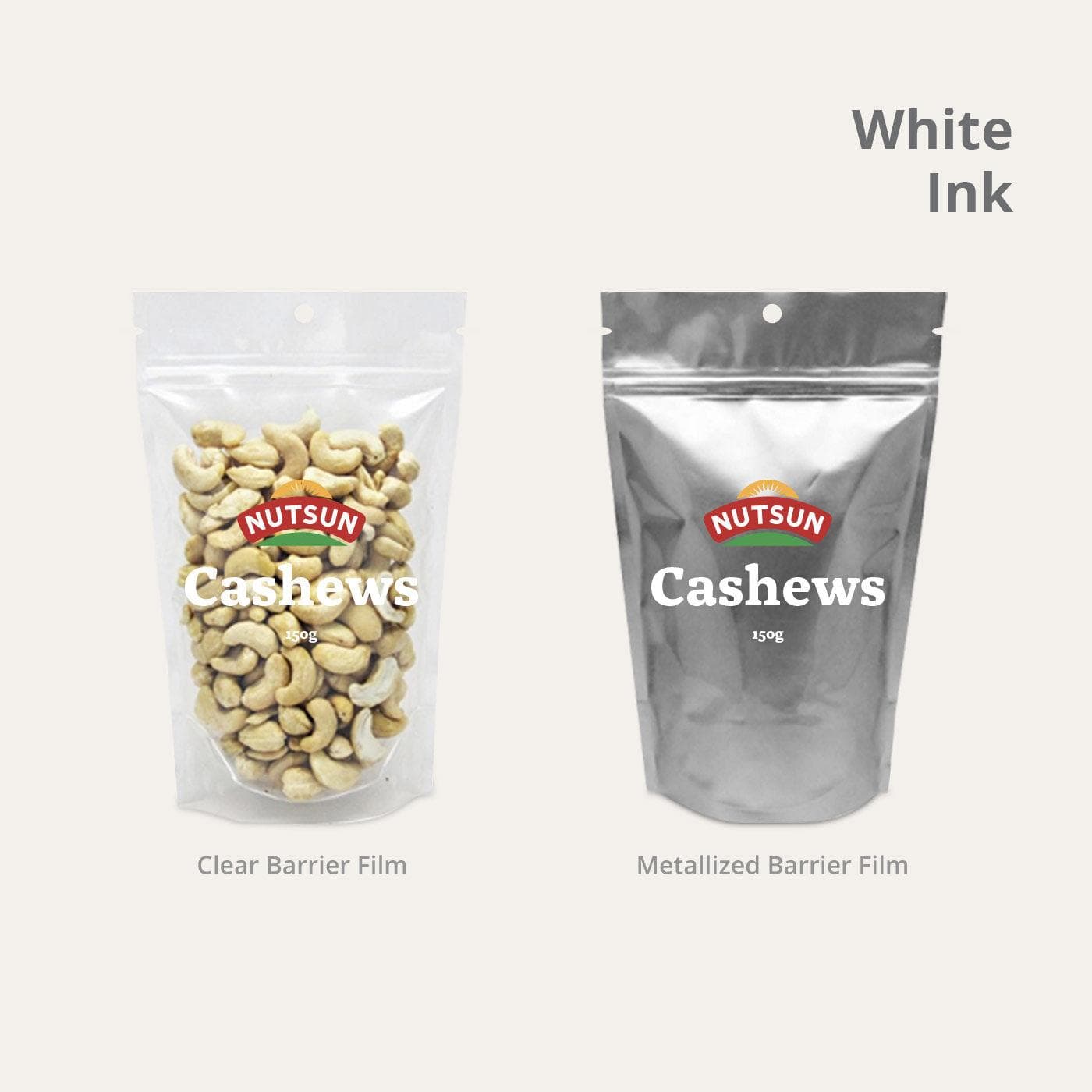
When selecting food packaging, many people prioritize moisture and oxygen barriers; however, for certain foods, light exposure is also a critical factor.
After production, food typically undergoes warehousing, transportation, and retail display. If the packaging fails to limit light penetration, light-sensitive foods may be adversely affected. Therefore, the need for light protection should be assessed based on the specific characteristics of the product during the packaging design process.
How does light affect food?
Different foods have varying levels of sensitivity to light.
Fats, pigments, or other components within certain foods can undergo chemical changes upon prolonged exposure to light, thereby altering the product's flavor, color, or overall quality.
For instance, when packaging products such as coffee, nuts, and high-fat foods, particular attention is paid to oxygen barrier and light-blocking capabilities.
Consequently, packaging for these products must not only block air and moisture but also minimize light penetration.
Is transparent packaging a bad choice?
Not necessarily.
The primary advantage of transparent packaging is that it allows consumers to see the product directly, making it highly appealing for items where the color, shape, and appearance are key selling points.
Examples include candies, certain snacks, and other foods where showcasing the product's visual appeal is important.
Therefore, the decision regarding light protection should not simply be based on the idea that "less transparency is better"; rather, it should be determined by the food's specific characteristics and sales requirements.
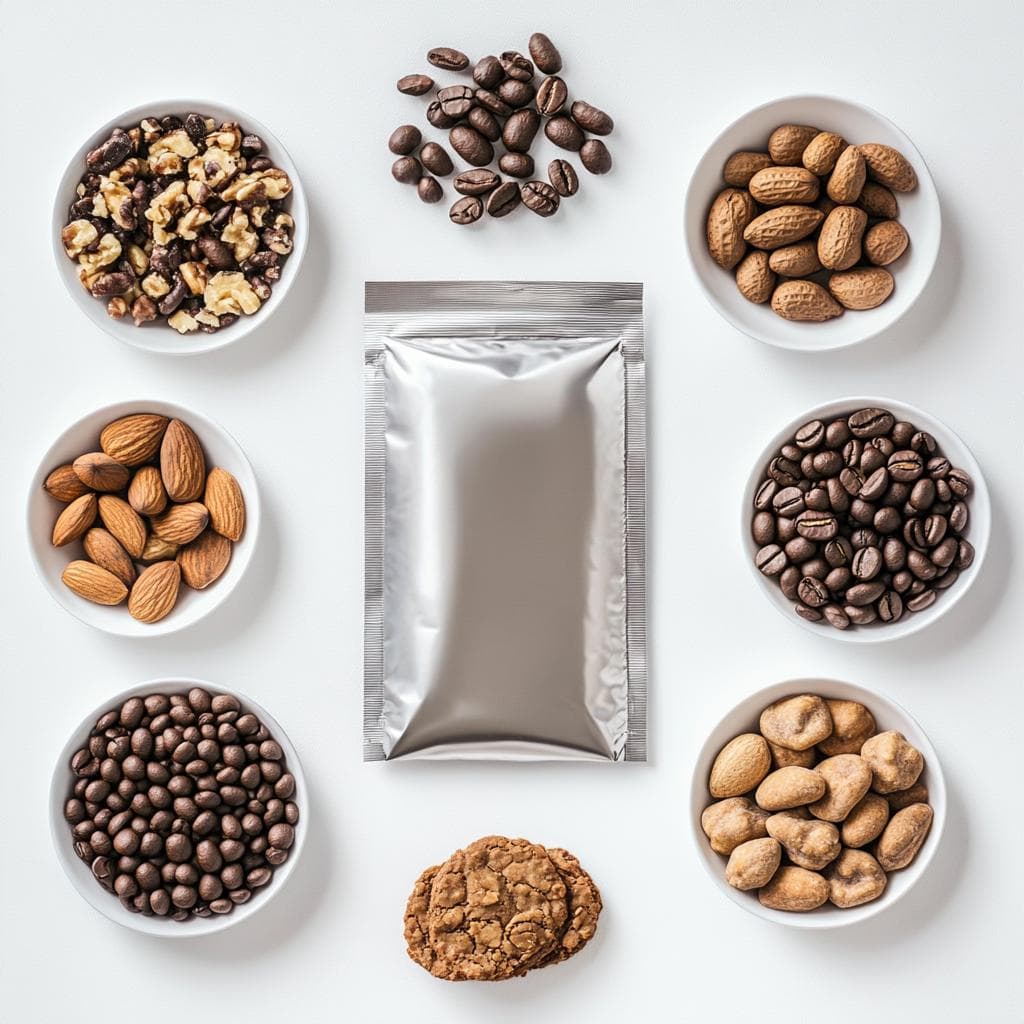
Which materials offer effective light-blocking properties?
Materials such as VMPET and aluminum foil—common in food packaging—are suitable for structures requiring light protection.
VMPET (metallized PET) is created by depositing a thin layer of aluminum onto a PET film, providing a degree of light-blocking and barrier performance.
Aluminum foil offers superior light-blocking capabilities, making it ideal for products with stringent requirements regarding light protection and barrier performance.
In actual production, these materials are typically laminated with other films to create a complete food packaging structure.
Why is opaque packaging frequently used for coffee?
Coffee is a prime example of a food product that requires careful consideration of light protection. Coffee is sensitive to oxygen, moisture, and light; consequently, many coffee packaging solutions utilize composite structures that offer superior barrier properties and light-blocking capabilities.
In addition to the material itself, coffee bags may feature a one-way degassing valve to release gases generated after roasting.
This illustrates that food packaging often involves addressing multiple factors simultaneously rather than solving just a single problem.
How can one balance light protection with packaging aesthetics?
Food packaging must not only protect the product but also serve as a vehicle for product display and brand promotion.
If the packaging is completely opaque, consumers cannot see the product inside; conversely, while transparent packaging offers display advantages, it may fail to meet the light-protection requirements of certain products.
Therefore, different approaches can be selected based on product positioning.
For instance, a design featuring partial transparency—allowing consumers to view the product while using barrier materials to protect other areas—is a viable option.
How do you determine if a product requires light protection?
Before selecting packaging, consider factors such as the product's oil content, its sensitivity to light, the anticipated storage duration, and the sales environment.
If the product requires long-term storage or will undergo extended periods of transportation and shelf display, the light-blocking performance of the packaging warrants serious consideration.
Conclusion
While light protection is not a mandatory requirement for all food packaging, it is often a critical design factor for products such as coffee, nuts, and certain high-fat foods.
When selecting packaging materials, it is essential to weigh various factors, including light protection, moisture resistance, oxygen barrier properties, structural strength, and cost.
FULL PACKING offers a range of material combinations—including PET, VMPET, aluminum foil, and PE—tailored to the specific needs of different food products, helping clients select the ideal packaging structure.