
During storage, food is affected not only by moisture but also by oxygen, which is another critical factor to consider.
For products such as coffee, nuts, high-fat foods, and certain snacks, oxygen exposure can compromise flavor and quality. Consequently, many food packaging solutions utilize material structures designed with specific oxygen-barrier properties.
Why do food products require oxygen-barrier packaging?
Oxygen in the air can react with certain food components.
For instance, high-fat foods exposed to oxygen over extended periods may undergo oxidation, altering their original flavor.
Coffee is another prime example. It is highly sensitive to oxygen, moisture, and light, necessitating packaging with superior barrier properties.
Using appropriate packaging materials helps minimize the ingress of oxygen into the package.
What are oxygen-barrier properties?
Oxygen-barrier properties can be simply defined as a packaging material's ability to restrict the passage of oxygen.
Different materials offer varying levels of barrier performance.
While standard plastic films provide a certain degree of protection, foods requiring higher barrier performance often necessitate multi-layer composite structures.
Materials such as VMPET (metallized PET) and aluminum foil are commonly used in packaging structures that demand high barrier performance.
Which foods particularly require oxygen-barrier packaging?
Not all food products require the same level of oxygen-barrier protection.
Products such as coffee, nuts, roasted seeds/nuts, and high-fat snacks are particularly susceptible to quality degradation caused by oxygen exposure.
For these products, preventing oxygen ingress is a key consideration in packaging design.
However, if a food product is not sensitive to oxygen, there is no need to indiscriminately choose high-barrier materials.
Packaging choices should be based on the specific needs of the product.
Why is oxygen-barrier performance so critical for coffee packaging?
Coffee is a classic example of a product with stringent packaging requirements.
After roasting, coffee undergoes a series of chemical changes and may continue to release carbon dioxide.
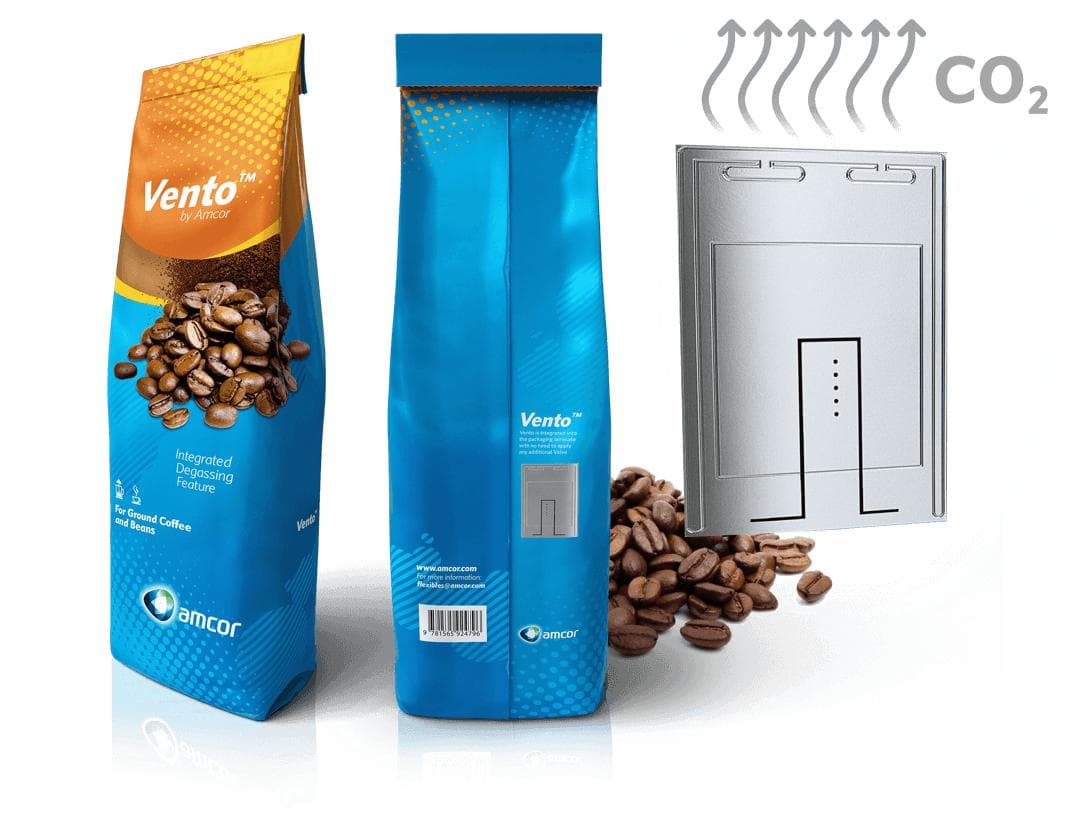
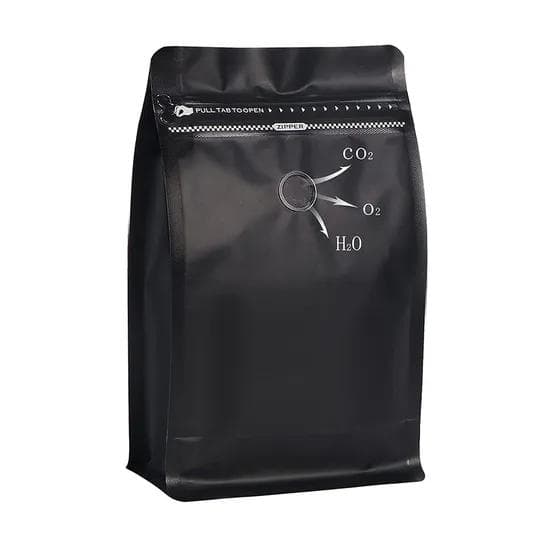
Therefore, in addition to requiring excellent oxygen and moisture barrier properties, coffee packaging often incorporates a one-way degassing valve.
This allows gases generated inside the package to escape while preventing outside air from entering. Therefore, designing a coffee packaging bag typically requires a comprehensive consideration of materials, bag style, and degassing valves.
What materials can be used for oxygen-barrier packaging?
Materials such as PET, VMPET, aluminum foil, and other functional barrier materials can be utilized in various food packaging structures.
For instance, PET/VMPET/PE is a common multi-layer composite structure.
PET provides the outer layer for printing and mechanical strength; VMPET offers barrier properties and light shielding; and PE typically serves as the inner heat-sealing layer.
If the product requires superior barrier performance, an aluminum foil composite structure may be considered.
Sealing also affects oxygen-barrier performance.
Even if the packaging material itself has excellent oxygen-barrier properties, this does not guarantee that the finished bag will effectively block oxygen.
If there are issues with the seal, oxygen can still penetrate the package at the sealing point.
Therefore, both material selection and seal quality must be prioritized during production.
For food companies, selecting the right material structure is important, but so is ensuring the actual sealing performance of the packaging bag.
Conclusion
The primary purpose of oxygen-barrier packaging is to minimize oxygen ingress, thereby reducing the risk of oxygen compromising the quality of certain foods.
For products such as coffee, nuts, and high-fat foods, effective oxygen-barrier packaging is a crucial component of quality management.
However, higher barrier performance is not always better; the choice should be based on factors such as food type, shelf life, storage environment, and cost requirements.
FULL PACKING offers composite packaging structures with varying barrier levels tailored to the specific needs of products like coffee, nuts, and snacks, helping clients select the most suitable packaging solutions.